Luxury Business
Gilda Oliver: How Contemporary Art Connects Cultural Capital, Community Legacy, and Global Dialogue
Gilda Oliver discusses animals, community art, cultural capital, and cross-cultural visibility across museums, collectors, and global audiences.
17.06.2026 by Editorial Team
From the editors
Luxury Business
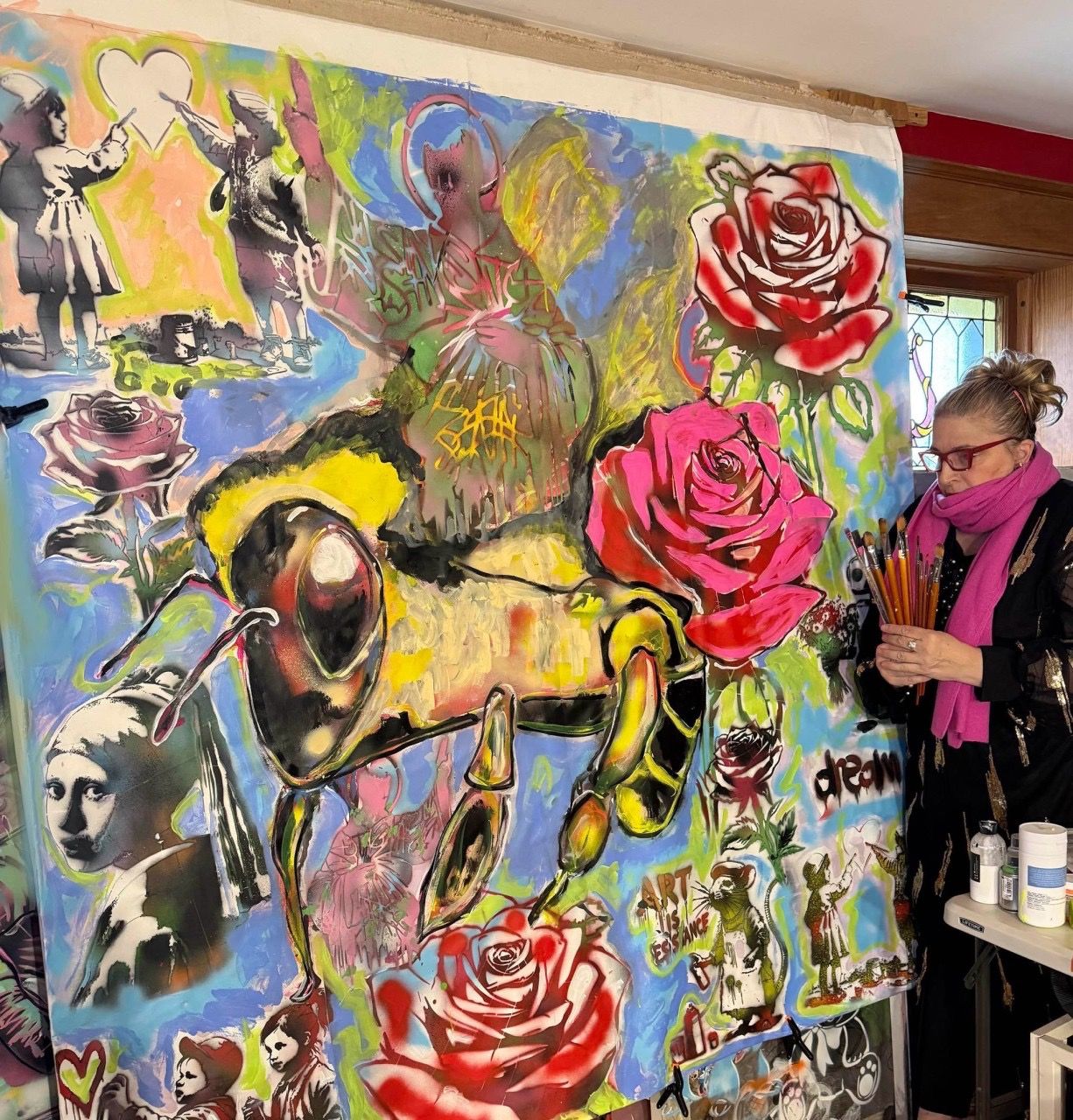
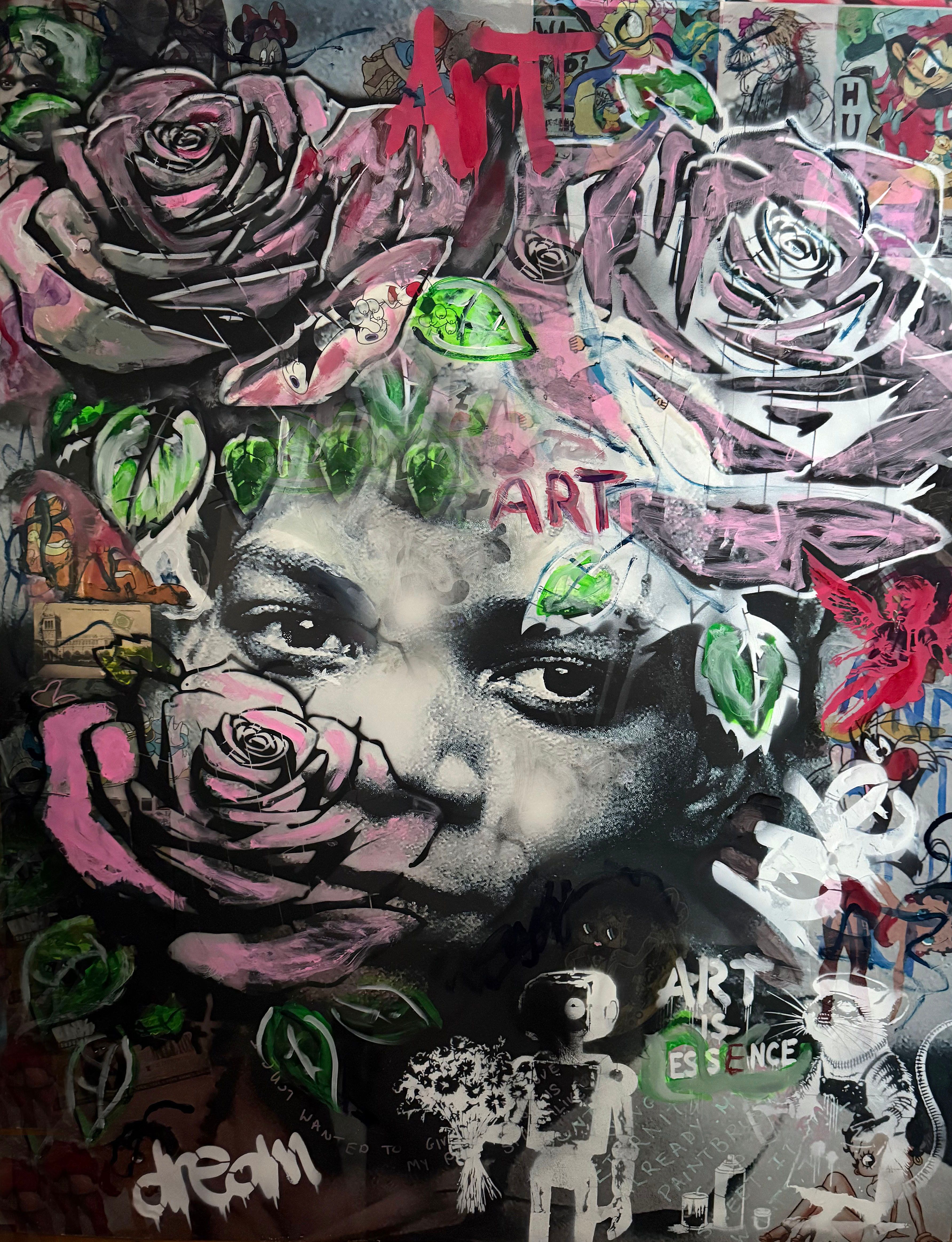
Gilda Oliver’s artistic practice shows how contemporary art can connect emotional truth, public legacy, and cultural capital across institutions, collectors, and international audiences. Across a career described as spanning five decades, she has developed a multidisciplinary body of work that moves between large-scale animal paintings, ceramic experimentation, and museum-scale community mosaics, while maintaining a consistent interest in how art can create meaning beyond the gallery wall in 2026.
This conversation gives B2BRICS readers a direct view of what defines Oliver’s work: early exposure to major artists in New York, a lifelong search for positive dynamic energy, a deep commitment to animals and nature, and a belief that art can serve both cultural prestige and human purpose. It also explains why her international visibility, including museum exposure in China and representation through Chrissy Moore Art Advisory, matters in a wider discussion about art, trust, luxury, and cross-border dialogue.
For B2BRICS Magazine, the editorial value of this interview lies in treating art not as a decorative side topic, but as a serious part of global cultural influence, long-term reputation, and meaningful international exchange.
What Shaped Gilda Oliver’s Artistic Identity?
Question 1
Looking back at your journey, what first drew you toward art seriously, and which early experiences most shaped the way you see the world today?
Oliver’s artistic identity was shaped very early by direct exposure to major artistic environments in New York and East Hampton. She describes growing up with parents who were deeply interested in the arts and taking her, from early childhood, into the studios of artists including Willem de Kooning and James Rosenquist, where she experienced the physical energy of artworks at close range.
She also recalls standing before Picasso’s “Guernica” in New York, absorbing the painted surfaces of New York subway graffiti, and seeing Andy Warhol during her school years in Brooklyn Heights. In her own account, these experiences established art not as an abstract cultural field, but as something immediate, powerful, and unforgettable.
Question 2
Your work carries a vivid emotional and symbolic presence. How would you describe the central idea that connects your paintings, murals, and wider artistic universe?
The central idea is continuity of intention rather than repetition of form. Oliver explains that her practice did not follow a straight line: before the large-scale animal portraits that now define her studio work, she spent years creating figurative ceramic sculpture, and later carried that spatial intelligence into painting and community mosaic work.
What unites these phases is her effort to make visible what daily life makes too easy to miss. She is drawn to animals because they seem able to remain close to what they were born to be, and that quality has become a deeper mirror for human creativity, vulnerability, and resilience.
“The coherence across fifty years lies not in a fixed style, but in an intention that has never wavered: to make visible what daily life makes too easy to miss.”
Question 3
You studied in rigorous artistic environments, including Cranbrook Academy of Art. Which parts of that formation stayed with you most deeply, and how have they evolved within your own independent voice?
The deepest influence was the discipline of experimentation under material constraint. Oliver says that, as a graduate student working in poverty, she chose clay partly because it was what she could afford, and then pushed it to its outer limits through scale, firing, glaze, and risk.
At Cranbrook Academy of Art, she experimented with Persian lustre glazes on giant seashell forms in carbon-reduction firings, and she frames that period as proof that originality comes from committed experimentation rather than from trying to impress the market. Her independent voice, in that sense, emerged through material courage and persistence.
How Does She Connect Art, Community, and Legacy?
Question 4
A striking aspect of your career is the relationship between fine art and community impact. How do you think about the social responsibility of an artist once their work enters public life?
For Oliver, social responsibility begins with helping creativity continue in other people. She speaks about supporting other artists privately over the years and says she is deeply interested in what happens when human beings are allowed to create collectively and evolve beyond what has already been seen.
This principle also shaped her museum-scale mosaic projects, which invited children, families, and underserved communities to make ceramic tiles for large public works at no cost to them. After installations at the Baltimore Port Discovery Children’s Museum, sponsors including Courage Lion and Champions for the Challenged helped expand access to materials so that more participants could be included.
Question 5
Many artists speak about visibility, but fewer speak about legacy. What kind of legacy do you hope your work leaves—not only aesthetically, but emotionally and socially?
Oliver wants her legacy to support preservation, compassion, and human creative integrity. She says she hopes her work increases awareness of the importance of protecting animals and the habitats they need to survive, while also helping people stay connected to the creative self they were born with.
In her view, helping gifted people continue developing their abilities ultimately helps humanity evolve as well. That gives her idea of legacy both an environmental and a human dimension.
Question 6
Your artistic language often feels both joyful and layered. How do you balance beauty, playfulness, and visual seduction with deeper emotional or cultural meaning?
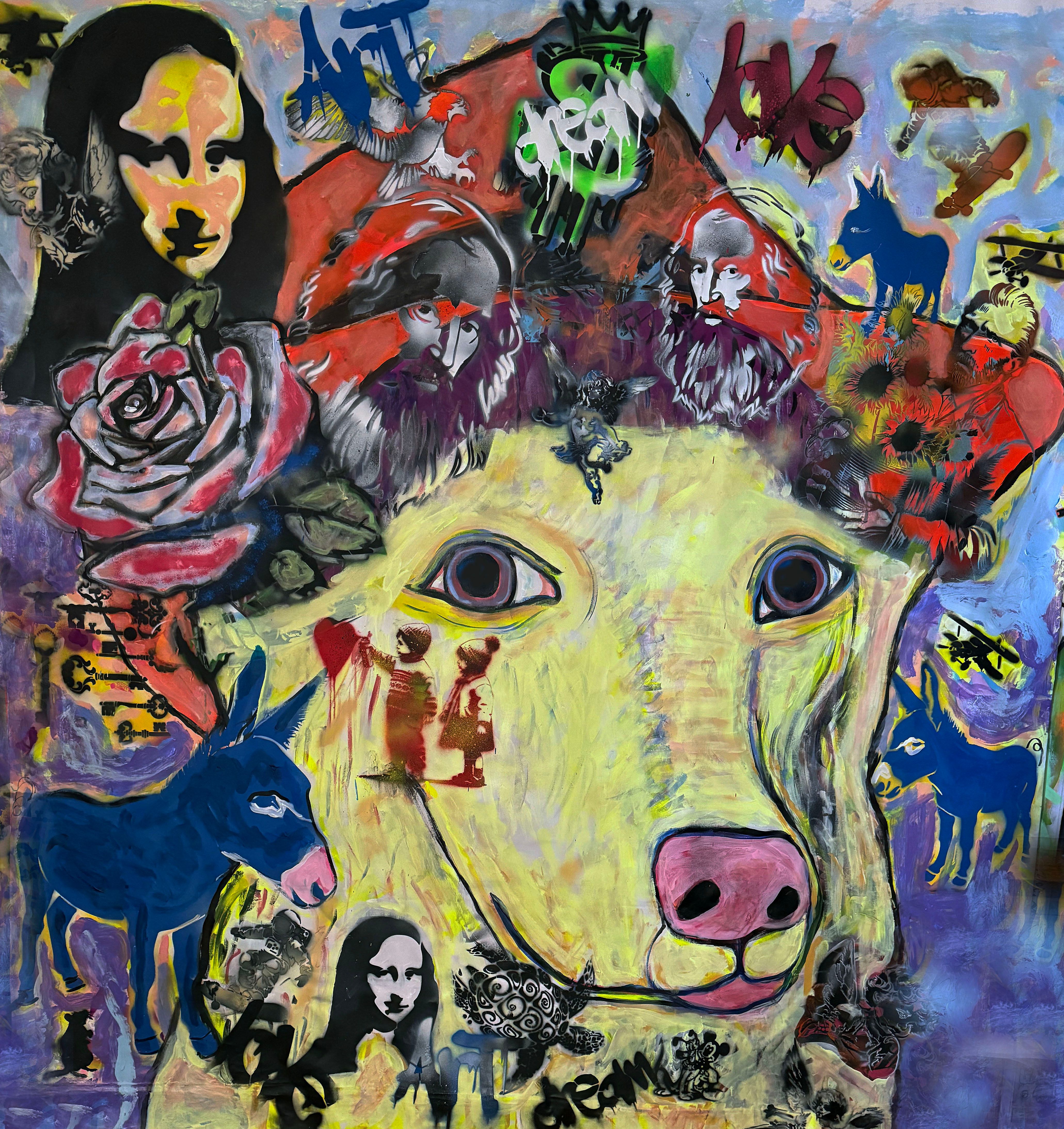
She balances those elements by treating painting as a conversation with the natural universe rather than as surface decoration alone. Oliver explains that after many years of painting human portraits, she shifted toward animals because she wanted to move closer to living creatures that remain deeply connected to the same natural order human beings also belong to.
That is why the work can feel visually uplifting while still carrying deeper emotional and philosophical weight. Beauty, for her, is not an escape from meaning but one of its most direct forms.
“Animals fascinate me because they stay close to who they were born to be; for humans, that is often the harder task.”
What Makes Visibility, Trust, and Collecting Meaningful?
Question 7
Your profile reflects growing international recognition across exhibitions, editorial features, and luxury-oriented platforms. At this stage of your career, how do you define meaningful visibility?
Oliver defines meaningful visibility through care rather than status alone. She says visibility matters when what an artist creates helps another living creature survive with less fear and suffering, whether that being is animal or human, and she connects that view to a wider philosophy of compassion and protection.
This makes her answer especially distinctive in a luxury-facing context: visibility is valuable, but only when it remains connected to moral purpose.
Question 8
Contemporary art increasingly sits within the world of luxury, investment, and high-trust relationships. How do you personally navigate that intersection while protecting authenticity in your work?
She navigates that intersection through trusted representation and careful attention to authenticity tools. Oliver says she has been represented by Chrissy Moore Art Advisory over the past year and notes their collaboration with Marsha Lipton on digital passports for artworks as part of a more serious approach to verification and stewardship.
That response is notable because it accepts the importance of trust infrastructure without reducing artistic value to sales language. The work remains primary, while representation and verification help protect its integrity.
Question 9
For sophisticated readers who may be newer to collecting, what signals usually indicate that an artist has depth, staying power, and long-term relevance beyond short-term trend cycles?
Her answer emphasizes authenticity, expert guidance, and genuine artistic connection. Oliver points newer collectors toward advisory support around works that come with digital passports, and she also stresses that if a work speaks to someone’s soul, that response still matters even when expert investment advice is useful.
This is a revealing collecting philosophy because it balances emotional conviction with disciplined verification. It is not anti-market, but it resists reducing art to trend or transaction alone.
“An artwork should not need trend approval to matter; serious collecting begins with authenticity, trust, and a genuine encounter.”
Why Do China and BRICS Matter to Her Next Chapter?
Question 10
Your presence in China opens a particularly interesting international chapter. What did that experience reveal to you about how your work is perceived across cultures?
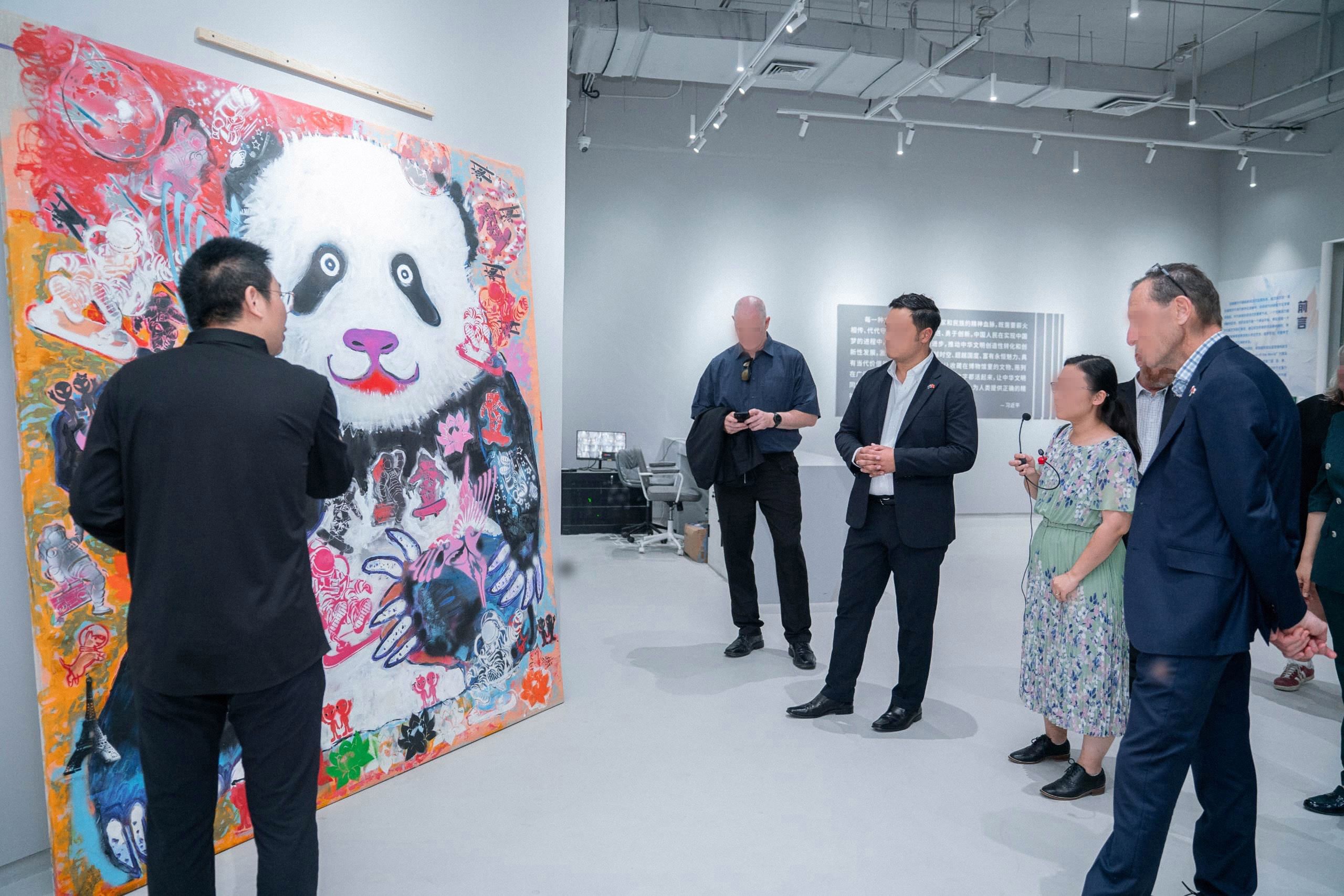
The China experience revealed to Oliver that her work could travel meaningfully across cultural contexts while opening new learning in return. She says she loaned a seven-foot by seven-foot panda painting and seven additional animal-subject works to the opening of the New Contemporary Linkong Museum two years earlier, and found it especially valuable to encounter Chinese modern and ancient art cultures within a wider international exhibition.
What stands out in her answer is not only exhibition visibility, but reciprocity. The experience mattered because it expanded her understanding of how art can enter a broader international conversation.
Question 11
B2BRICS Magazine speaks to readers across BRICS and emerging markets. From your perspective, why does cross-cultural artistic dialogue matter right now in a world shaped by economic realignment and global uncertainty?
Oliver’s answer is direct: art, music, and culture allow people from different cultures to share joy and deepen their appreciation of one another’s modern and ancient histories. In her view, this kind of exchange creates a form of connection that remains valuable precisely when the world is becoming more economically and politically uncertain.
That makes her perspective highly relevant for a B2BRICS audience in 2026. She presents culture as a serious bridge of recognition rather than a secondary layer around business.
Question 12
Do you see meaningful opportunities for stronger relationships with collectors, institutions, curators, or cultural platforms across BRICS countries over the coming years? What kinds of collaborations would feel most exciting or aligned?
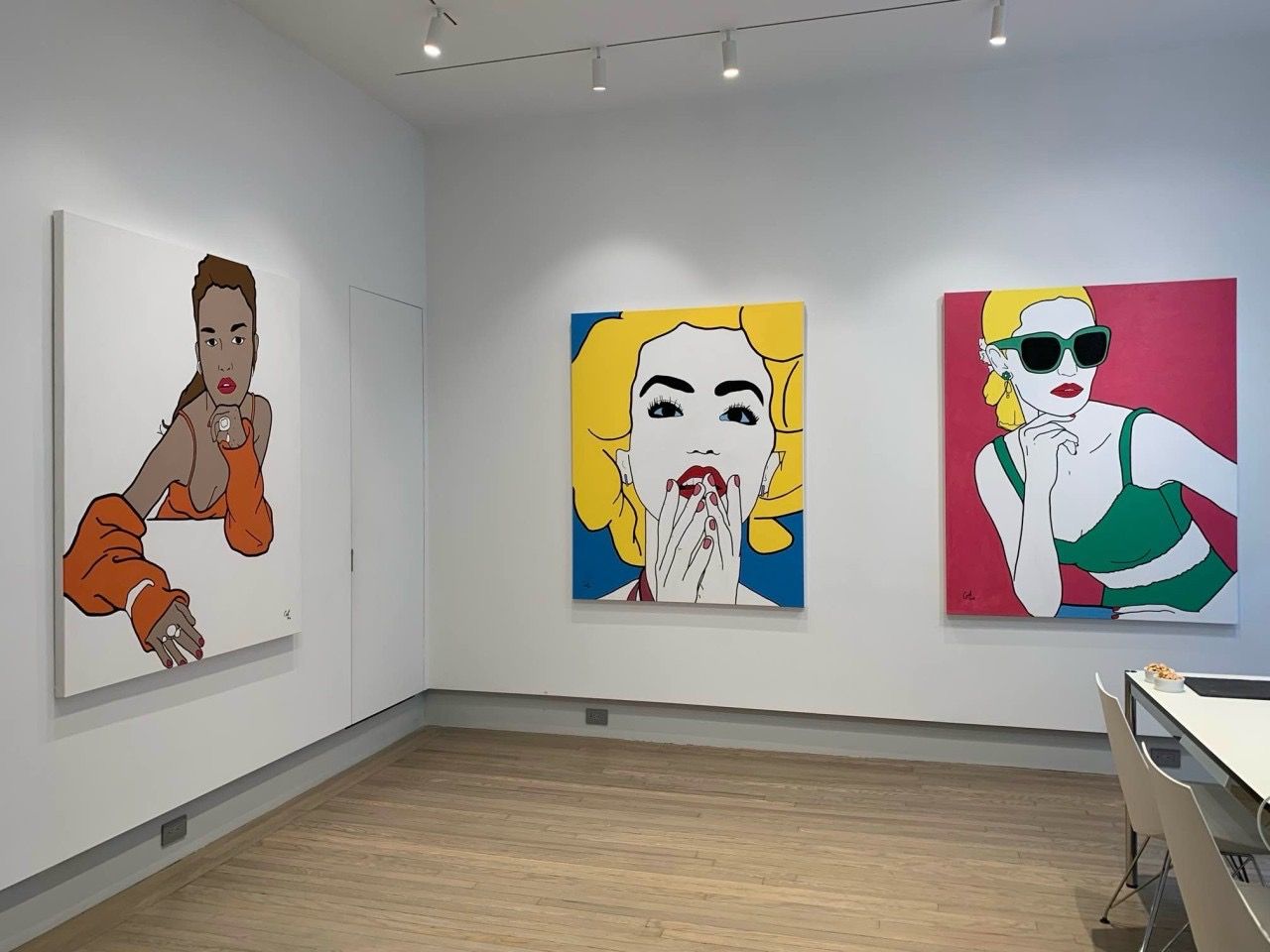
Yes—Oliver clearly sees the coming years as a period for deeper institutional and collection-based relationships. She says she would like to stage a solo museum exhibition featuring ten to fifteen paintings from her six-by-six-foot “Strangely Beautiful Animals” series, and emphasizes that these works are family-friendly and important as a way to help children and families appreciate both modern and ancient art histories.
She also says she looks forward to entering more important art collections, and refers to a recent sale of a large six-by-six-foot painting through Artsy with Chrissy Moore Art Advisory. The direction is clear: museum visibility, serious collections, and cross-cultural relevance remain central to her next chapter.
Quick Insights
Three words that define your work today: Unique, colorful, uplifting.
One quality you value most in long-term relationships: Loyalty and honesty.
One misconception people still have about contemporary art: That people need someone else’s permission or expertise to buy a work that speaks to them, even though expert advice can still be valuable for investment decisions.
Editorial note: A confirmed answer for the final quick-insight prompt about the emerging shift serious readers should watch more closely was not cleanly completed in the provided materials, so it is not included here.
Biography
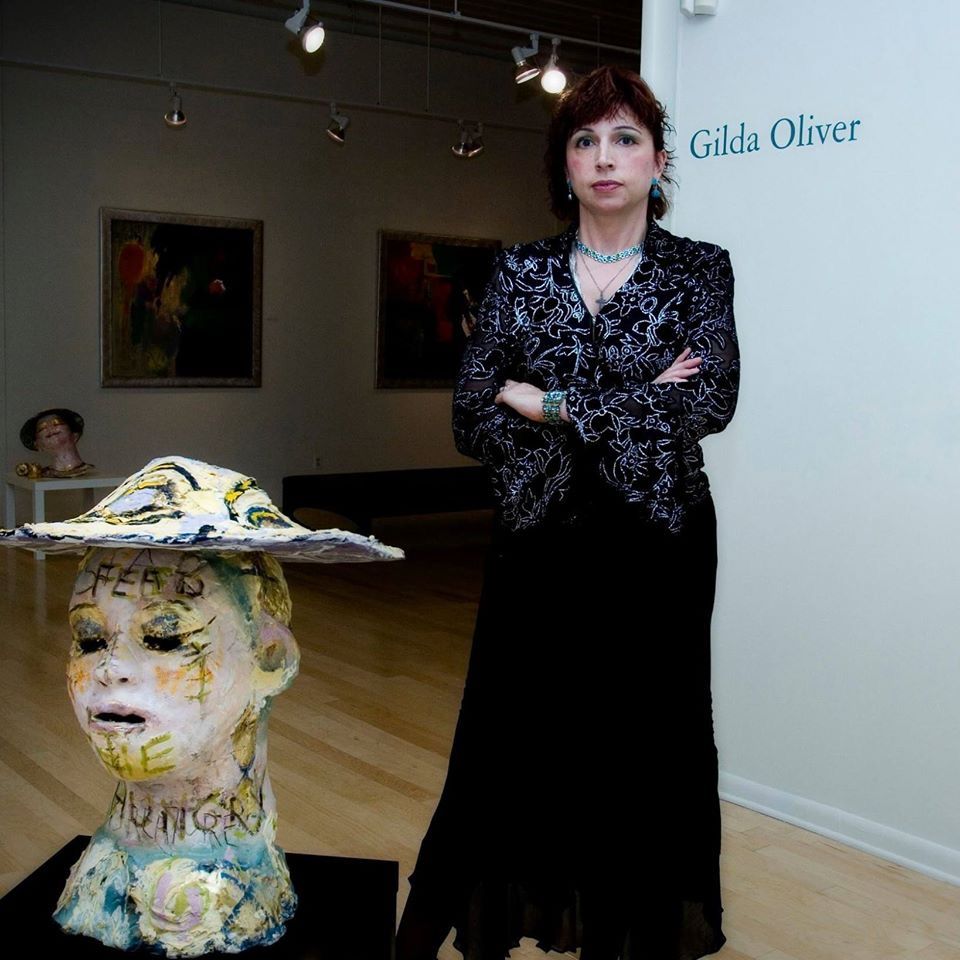
Gilda Oliver is a contemporary artist whose five-decade career combines large-scale animal portraiture, museum-scale mosaics, and a multidisciplinary practice shaped by colour, energy, and compassion. Her work bridges emotional resonance with public-facing impact, and her international footprint includes exhibitions in major institutions as well as longstanding community-centred art initiatives involving children, families, and underserved groups.
Represented by Chrissy Moore Art Advisory, Oliver is presented as an artist whose work unites aesthetic excellence with social meaning, linking cultural sophistication, transformation, and human depth. Her practice continues to evolve across media and cultures while remaining grounded in connection, purpose, and the belief that art can uplift, heal, and unite.
Key Points
Q: What defines Gilda Oliver’s artistic practice?
Her practice is defined by a long-term commitment to emotional presence, animal imagery, experimentation across media, and community-centred public art. Across painting, sculpture, and mosaic work, she returns to the same larger aim: making visible what daily life often causes people to miss.
Q: Why are animals central to Gilda Oliver’s paintings?
Animals are central because Oliver sees them as beings that remain close to their original nature. That makes them powerful subjects for exploring authenticity, compassion, memory, and the bond between humanity and the natural world.
Q: How does Gilda Oliver connect art with community impact?
She connects art with community impact through collaborative mosaic projects and a broader commitment to helping others keep creating. Her public-facing mosaic works brought children, families, and underserved communities into the artistic process directly, often with materials funded so that participation remained free.
Q: How does she approach authenticity and trust in the art market?
Oliver approaches authenticity through trusted representation, verification-minded advisory work, and a refusal to separate artistic truth from collector responsibility. She supports more serious mechanisms such as digital passports while still insisting that genuine human response to a work remains important.
Q: Why is her China museum experience relevant for BRICS readers?
It is relevant because it shows how her work can enter a meaningful cross-cultural dialogue with institutions and audiences beyond the United States. Her participation in the opening of the New Contemporary Linkong Museum in China reinforced the role of art as a bridge across histories, geographies, and cultural systems.