Luxury Business
Denise Carvalho on Art, Trust, and Cross-Border Cultural Capital
Denise Carvalho explores art, trust, cultural capital, and cross-border artistic exchange between Brazil and the United States through the lenses of curation, collecting, and long-term value.
02.07.2026 by Editorial Team
From the editors
Luxury Business
From Brazilian artistic identity to New York market perspective, this conversation explores how art, curation, and collecting create value across borders.
In 2026, one of the more important questions for collectors, gallery leaders, cultural institutions, and globally minded readers is whether art will continue to be judged primarily through price and spectacle, or whether its deeper value as thought, critique, memory, and cultural meaning can still hold its ground. In this conversation, Denise Carvalho makes the case for a more serious framework: art first as idea, perception, and inner commentary, and only then as market object.
For B2BRICS readers across BRICS markets, the United States, and other international cultural and business hubs, that perspective matters because cultural capital and economic capital increasingly shape one another. What follows is not a decorative arts profile, but a substantive cross-border discussion about artistic formation, curatorial judgment, collector trust, Brazilian creative identity, and the changing role of galleries, institutions, and public engagement.
From the Editor-in-Chief of B2BRICS Magazine: this interview reflects the editorial standard we consider essential for a global platform working at the intersection of culture, reputation, business intelligence, and international markets. It is a conversation for executives, founders, investors, collectors, curators, and cultural decision-makers who understand that long-term value is built not only through visibility, but through integrity, discernment, and the ability to protect meaning in an age of acceleration.
Editorial note: The questions below are presented in the original interview structure prepared for B2BRICS Magazine. The answers are presented in the speaker's submitted wording, formatted for publication.
What Shaped Denise Carvalho's Artistic and Intellectual Formation?
Question 1
Looking back at your journey as an artist, curator, critic, and professor, which formative experiences most shaped the way you see art today?
I began my career as an artist at 10 years old, when I was chosen by Ivan Serpa to study with him. At the time, I already made my artwork although never considering anything beyond the experience. After completing two years in journalism at Helio Alonso University in my early 20s, I was inspired by a professors lecture about the early Netherlandish master Hieronymus Bosch. That lecture that led us to laugh and cry of inspiration, made me decide to abandon a career in journalism and leave my country to become an artist. I had taken classes with Aluisio Carvao at the Museum of Modern Art in Rio in the mid 1980s, before I left to Ontario, Canada, to visit the home of the Baroness Catherine de Hueck Doherty, known as a close friend of the American monk and theologian, Thomas Merton. After a few months during the coldest winter in Ontario, I accepted the invitation of an Argentinian woman who I met during the trip to travel to New York City. Arriving in New York, I was drawn to stop in front of the Art Students League and began two years of studying with Knox Martin and Rudolf Baranik. At that time, I met other young artists and well-known teachers who encouraged me to participate in group exhibitions, in famous public parks, including Kentler International Drawing Space, at the City Univerisy in Paris, at the Artist Space, at the Hudson Guild, Educational Aliance, at Gallery 1, The Museum of Contemporary Hispanic Art MoCHA at 584 Broadway in 1985, at Gallery One in SoHo, at the Police Building in downtown Manhattan after being selected by Ivan Karp amongst hundreds of artists included at his Ten From The Salon, at the Bosnian Cultural Center, at M M Gallery in SoHo, at the Art Club, Myungsook Lee Gallery, at Ad Lux Fine Arts, curated by George Nelson Preston, as well as several other international exhibitions at the Fukuyama Museum in Japan, at the Museum of Image and Sound in Brazil, at the Instituto de Artes Visuais, Palacio Pombal, in Lisbon... . In 1991 I had my first solo exhibition at Jadite Gallery, in New York, and in 1993, I had my second solo exhibition at Abney Gallery in SoHo. In 2001, my painting Enclosure represented the United States at the III Biennale Internazionale DellArte Contemporanea in Florence, Italy.
Question 2
In a previous public reflection, you described yourself first and foremost as a painter, even after decades of curatorial, critical, and scholarly work. Why is that distinction important to you today?
I never stopped painting but had to opt for other opportunities to make a living, including curating, writing as an art critic and as a professor and cholar, while also teaching at the university level at SVA, Pratt Institute, FIT in New York City, at San Francisco State University and Humboldt State University in California, at Ohio State University, at NJCU, at Indiana University in Bloomington, and since 2016 to present at The School of Visual Arts in New York.
In 1999, I began curating exhibitions and began writing as an art critic for various magazines, while also becoming the Critic in Residence in 2000 at Art Omi, in Ghent, NY, an important international art residence that invites the most famous artists from all over the world. I was the Critic Emeritus at Art Omi in 2012. From 2002 to 2018 my work was mostly dedicated to curating local and international exhibitions, writing as a critic in various magazines, including Sculpture, Ceramics Art and Perception, Afterimage, The International Journal of the Arts in Society, NKA Journal of Contemporary African Art, New Observations, Art in America, as well as numerous biographies and monographs of Latin American artists published by Oxford University Press. My career as an artist picked up again since 2018, my work was included at four exhibitions at Anita Shapolsky Gallery Uptown and in SoHo. My work was also selected to several exhibits with MvVo Arts AD and featured at the Oculus Building, at The World Trade Center Building 3, and in a public projection in midtown Manhattan.
Question 3
How has your Brazilian background continued to influence your visual language, sensibility, and way of interpreting contemporary culture across borders?
I was always fascinated with the carnival in Brazil, its exemplary commentary on two of my most inspiring Russian writers, Bakhtin and Dostoevsky. Both trigger the concept of the carnivalesque as the duality of humanity through the perception of the collective. It is clear in Dostoevskys The Brothers Karamazov that one cannot be known completely and that appearances change according to their social contexts. The carnivalesque can also be perceived through architecture, especially Brasilia, the capital of Brazil, by Oscar Niemeyer, exemplified by architectural dialogues or duel-logues a play between dual and duel in which different or oppositional architectural modules act as social critique, implied through the specific shared and disfunctional spaces. My point with this is to show that like art, architecture speaks for itself, sometimes igniting the new, other times, creating limitations that are not easily controlled by social norms. As art, archiecture can be inspirational of the more enlightened, of the dreamer who invented the dream but cannot live in the dream.
How Does She Define Art, Judgment, and Curatorial Value?
Question 4
How do you balance the different responsibilities of artist, curator, critic, educator, and gallery director without diluting the depth of each role?
I see the various knowledges and abilities, as being an artist, a professor, a thinker, a writer, a curator, as new directions toward more expanded ways of thinking, inspiring, creating as methods of sharing knowledge, and expanding the potentialities of art within all kinds of culture. My only question is whether the emphasis should be on the creative ideas and images of the artwork, rather than on the consumeristic controling mechanisms that boost the artwork mostly to its economic power. As art is about ideas, practices, expressions, emotions, critiques, knowledges, etc. the main point of any major artwork is first what inspired the artist, the inner commentary that led to the object. But the opposite has been the emphasis of most cultural and economic markets, as great artworks have been quickly transformed into spectacle and commodity, shifting the entire magic of the work to its potential economic power, to its financial value, making the main argument of the artwork invisible.
“As art is about ideas, practices, expressions, emotions, critiques, knowledges, etc. the main point of any major artwork is first what inspired the artist, the inner commentary that led to the object.”
Question 5
When you curate or evaluate work, whether your own or other artists work, what criteria matter most to you beyond immediate visual appeal?
My curatorial projects have always addressed human conflict, border politics, religious fanaticism, generational healing after wars. Lately, I have included the topic of Artificial Intelligences role in supporting humanitys ability to rise to higher consciousness art as creative thinking versus art as commodity the role of art as critique to natural environmental dystopias. I am also interested in curating an exhibition about the disorder of Alzheimers, as my mother died almost a decade ago, after suffering with Alzheimers. She came to live with me in the US, and during the four years, I began teaching her drawing and painting, which she learned incredibly well. This gave her hope to keep focusing on art. I would like to curate an exhibition with her paintings and drawings, addressing the importance of ones imagination as a free expression that not only allows hope and resonance through aesthetic concepts that are beautiful and inspiring, as forms and ideas can provide other sensorial perceptions through observation, revealing that lives can be extended as one feels more atuned to their perceptive potentials. The further exploration of perceptions as healing can provide more nurturing and calming periods before ones death.
Question 6
From your perspective as a gallery leader, what turns an exhibition or artist presentation from a cultural event into a moment of lasting market and institutional relevance?
I believe that the artists role in their cultural market is important not only through the aesthetic importance of their production, but also through the main potential influences that the works bring as ideas, realizations, critiques, potential innovations, inspiring perceptions in the influence of art as social healing and cultural opportunity despite economic limitations.
Question 7
What changes are you seeing in the expectations of collectors, patrons, and culturally engaged buyers today, especially in relation to trust, education, and long-term value?
I believe that through a growing number of international exhibitions, focusing on the interactive potential of histories, cultures, and technologies today, as provenance will support this effort of measure and continuity through authenticity, the potential is phenomenal as it is right at the moment in which its value will define what will inspire numerous communities to engage through their creative productions. This will lead to the expanding functions of the museums to more innovative programs engaged with the public, with numerous generations attempting to participate in this fluid growth. The balance of art and technologies are the potential cocreators that will lead the art market in this multibillion architectural growth, in which art will become the main spectacle, while the human perceptions will expand through new productions of art and other cultures and industries.
How Does Denise Carvalho Read Cultural Capital Across Brazil, the United States, and the Art Market?
Question 8
How do you read the relationship between cultural capital and economic capital in the contemporary art market?
As mentioned before, the culture is extremely important as a form of economic growth not only as capital will grow, but also as it will ignite new generations to be involved in this process. This not only will greatly support knowledge and creativity as cultural productions but will also sustain a continuous expansion of these technologies and their cultural innovations.
Question 9
As someone whose perspective bridges Brazil and the United States, what do you think international audiences still misunderstand about Latin American and Brazilian artistic voices?
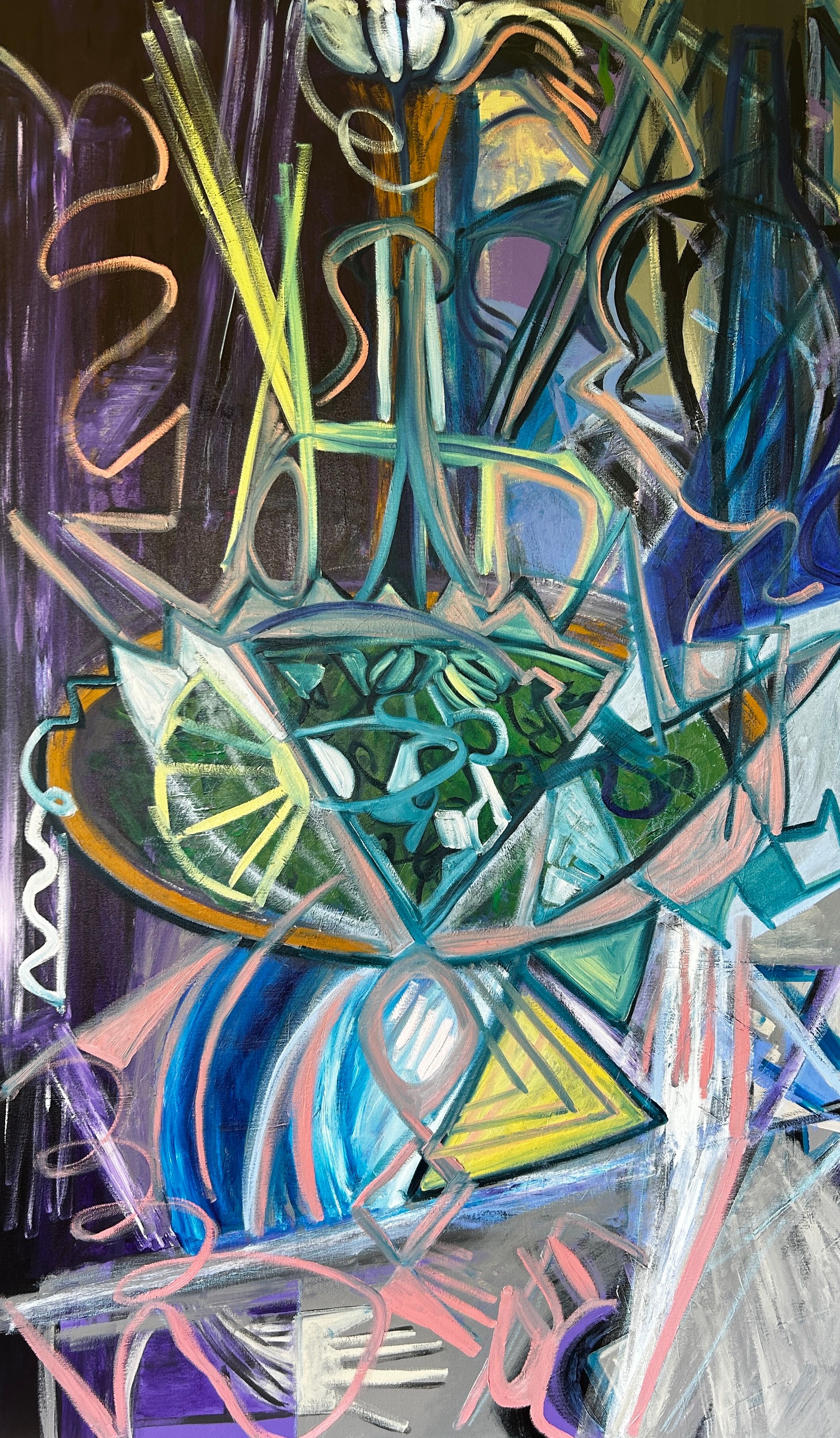
Many methods of operation differ in terms of Brazilian and North American production, representation, market framing, cultural biases or cross-border opportunities. To begin with, the Brazilian creative ways of thinking are rooted in the determination via play, spontaineity, potential joy of cocreating, not necessarily as validation or performance as pressure, as the latter in Brazil exists, but as an emotional outburst which will be a major support system for the success of the project. Success in Brazil is measured by the peoples anticipation as the fundamental value which was earlier defined by the challenge of having less materials than the number of hands to create the decoration. Much of the creation will be done in an old fashion manner. I am thinking of the carnival, for example, large numbers of decorative arrangements to be placed on the floats, which are the trucks carrying the dancers and the musicians all beautifully dressed in carnival costumes, with plenty of decoration. In Brazil, the emotional charge of popularity of the event will define the terms of the organization, support system, mostly emotionally engaged even if that means working for months without infrastructure, getting it pristinely done with very little financial and industrial help, The carnival, as mentioned earlier, is an example of how even the poorest communities in Brazil, are easily joined to redefine their goals, their presence in the social class system through their shared engagement in the local carnival. Without much money and technological support, thousands of people in the country find creative cooperation as vital methods of inventiveness. I believe that the carnival is a tangible example of the importance of creative endeavors that for centuries have represented the poorest people in the country.
“Without much money and technological support, thousands of people in the country find creative cooperation as vital methods of inventiveness.”
What Will Matter Most in Leadership, Integrity, and the Global Art Ecosystem?
Question 10
What does responsible cultural leadership mean in a moment when art is expected to be intellectually serious, globally legible, and still commercially viable?
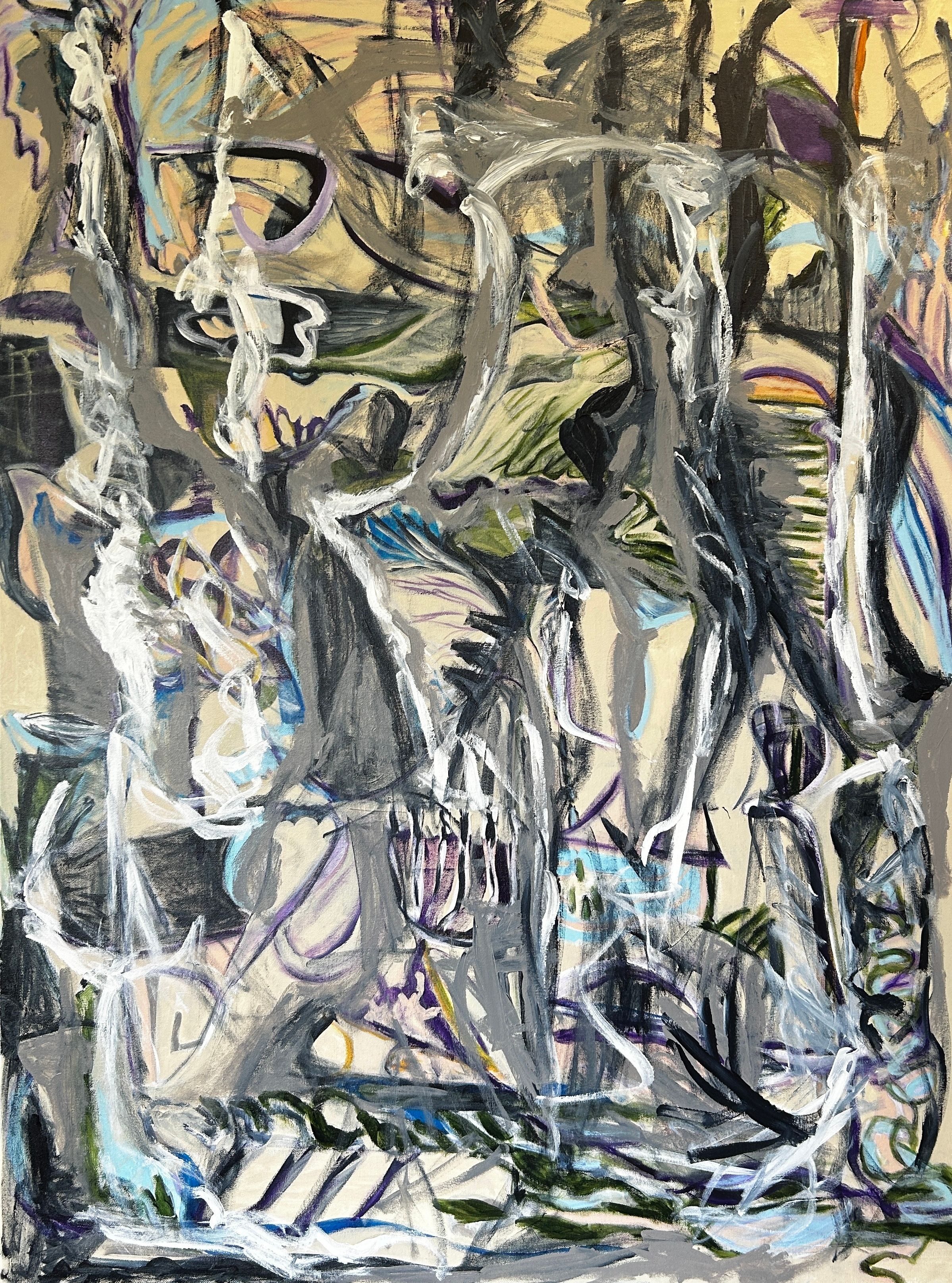
There is nothing more important than integrity, mediation, and the rule of judgment, although the latter needs to be clarified. The rule of judgment is not a rule dictated by a system, but an internal capacity to perceive what is essential in any cultural, social, or political engagement. One of the main reasons to be involved in any cultural activity is ones ability to discern the unique and individual role that every human being can play in the creation of beauty, balance, independent expression and its language of authenticity. Creativity is an important measure of human will, of the ability to discern what is balanced, and determine the potential resonance toward judgment, as ethics need aesthetics to enable ones ability to discern.
“The rule of judgment is not a rule dictated by a system, but an internal capacity to perceive what is essential in any cultural, social, or political engagement.”
Question 11
Which shifts in the global art ecosystem deserve closer attention from serious readers over the next few years?
Collector behavior is one that needs further expanding on what value of the work is. I believe that most collectors buy art that is not only beautiful but also valuable, and the condition and quality of the work is exceptionally important. Artworks made today are not necessarily better in quality than earlier paintings created with natural materials. In the last ten years, the quality of oil paints have worsened, becoming too thick, made with impastos that are even difficult to take from the tube, heavier from mixed colors and synthetic pigments, causing the paint to dry faster within the tube.
The role of the galleries today is also problematic. Recently, they had to cut numerous artists from their representation due to diminishing sales. This also shows the importance of interactive support systems, as digital platforms, or joining internet memberships in which artists engage with curators digitally, as their works can be perceived through multiple viewers. I still believe in good physical galleries that create more methods of engagement with the works, not just sits on the gallery and waits for potential buyers to come in. There is a lot more creative ideas that can be fostered, but having the physical work is still an important contribution to the artist.
Quick Insights
Three words that define cross-border art leadership today: Ditigal collaboration and understanding new languages in the arts.
One quality you value most in long-term relationships collectors, collaborators, or institutions: Growth as constant ascention of ideas into practices.
One misconception people still have about the contemporary art market: That is more intelligent than earlier works.
One emerging shift serious readers should watch more closely: That of the connection between art and architecture.
What Can Founders, Investors, and Global Leaders Learn from Artistic Thinking?
Question 12
For founders, investors, and global leaders outside the art world, what can business learn from the best artistic and curatorial thinking?
Even though I am not a founder, I am an investor of my own artworks and those of artists who I agree that collective engagements are an important form of growth in the art market. However, I believe that the parties engaged need to be able to discern what is needed for a longer path. Great art needs more than just beautiful rendering of technique. It also needs ideas that will foster cultural expansion of higher ideas and market growth. Perhaps, architects could have an important role in utilizing artists in their collective process or organization and planning.
Connect with Denise Carvalho
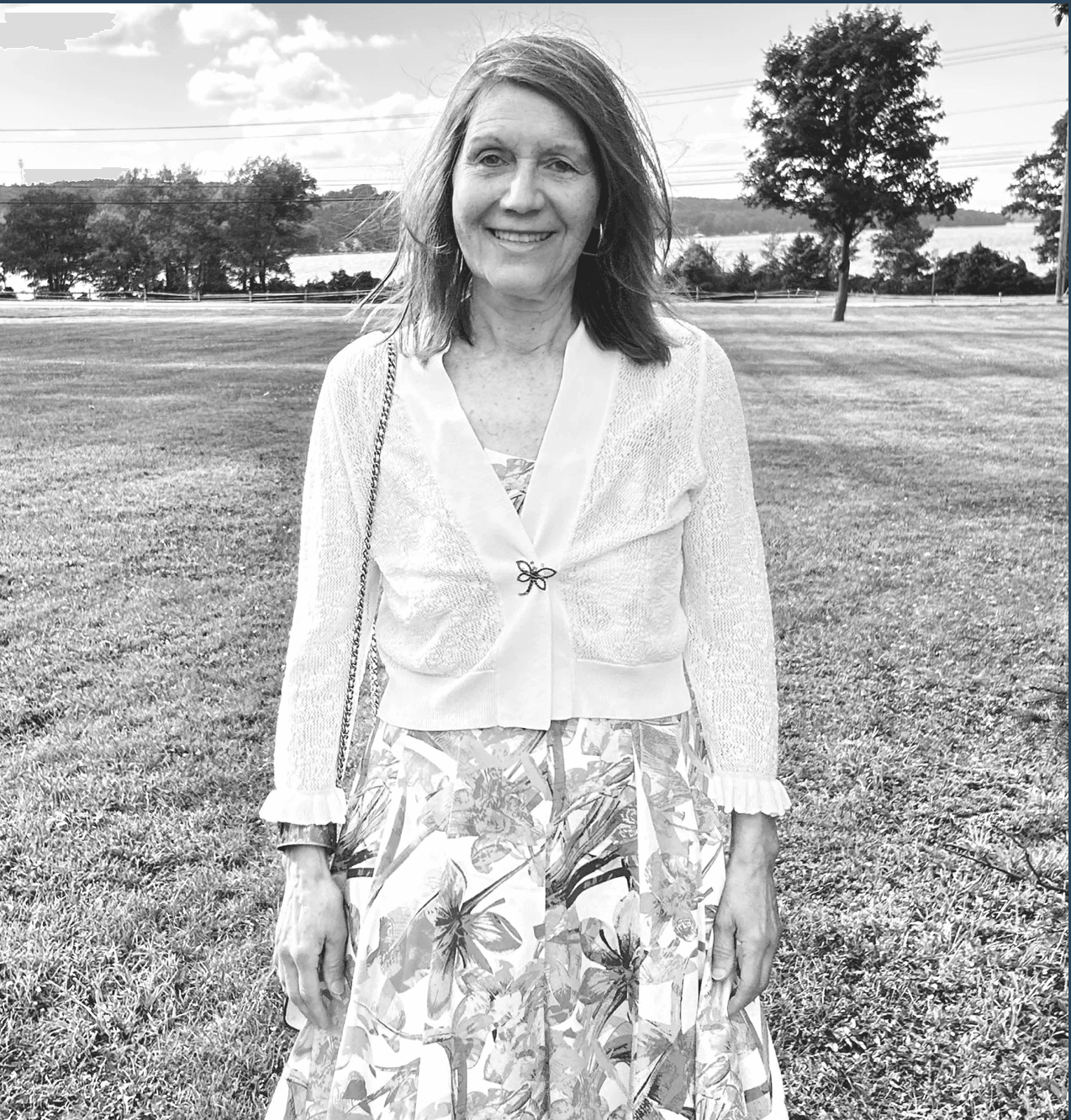
Denise Carvalho is an artist, curator, critic, professor, and director whose work connects Brazilian artistic identity, New York experience, curatorial research, and the wider question of how cultural meaning becomes long-term value. Interested readers may contact her directly through the channels she provided, or reach out through her representative for professional and partnership inquiries.
Website: denisecarvalho.squarespace.com
Email: dgcarvalho88@gmail.com
LinkedIn: linkedin.com/in/denise-carvalho-4a2b2714a
Representative: Sylvia L.
Representative Email: ceo@elitevanta.com
Representative LinkedIn: linkedin.com/in/sylvia-l-/
Company: elitevanta.com
Key Points
Q: What is the core idea of Denise Carvalho's interview?
The core idea is that art should be understood first through ideas, perception, critique, and inner commentary, rather than being reduced to spectacle or financial value alone.
Q: How does Denise Carvalho connect cultural capital and economic capital?
She presents culture as a source of economic growth that also expands knowledge, creativity, and intergenerational participation in artistic production.
Q: What does she believe international audiences misunderstand about Brazilian artistic voices?
She emphasizes Brazilian creativity as collective, emotionally charged, improvisational, and deeply inventive even under conditions of limited infrastructure and material scarcity.
Q: What does Denise Carvalho say about responsible cultural leadership?
She argues that leadership depends on integrity, mediation, and an internal capacity for judgment that can discern what is essential in cultural, social, and political engagement.
Q: Which shifts in the art ecosystem does she believe deserve closer attention?
She points to changing collector behavior, the importance of quality and condition, pressure on galleries caused by weaker sales, and the growing relevance of digital support systems alongside physical exhibition spaces.