Luxury Business
Caroline Boff on Cultural Capital, Collecting, and the New International Language of Contemporary Art
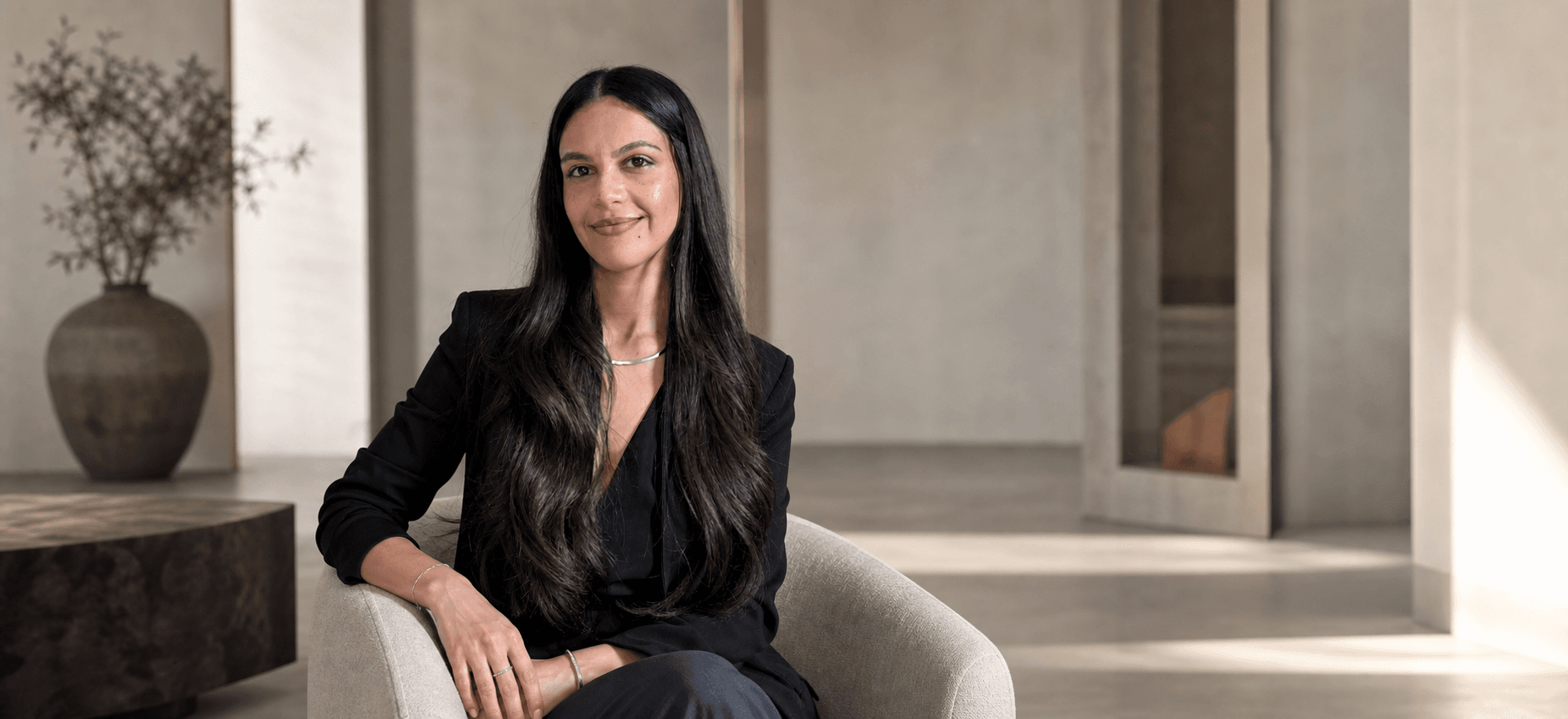
Caroline Boff FRSA explains how contemporary art builds collector trust, cultural relevance, and international visibility across today’s luxury and cross-border cultural landscape.
19.06.2026 by Editorial Team
From the editors
Luxury Business
Contemporary art increasingly moves across borders through trust, emotional clarity, and cultural resonance as much as through institutions or market structure.
This conversation with Caroline Boff shows how an artist builds international visibility through artistic identity, advisory relationships, collector confidence, and a recognisable visual language.
For B2BRICS Magazine, this interview sits within a broader global discussion about cultural capital, premium positioning, and the role of contemporary art in international life.
How Did Caroline Boff’s Artistic Path Begin?
Question 1
Your public profile brings together art, social purpose, and cultural curiosity. Looking back, what first pulled you toward painting — and when did you realize it was becoming more than a private creative instinct?
I remembered loving art at a young age and I thought to myself, I wonder if I could be an artist full time as my main work focus?
I thought how amazing that would be, what an amazing life I would have because I always loved it and I felt it was really important in my life to do what I love.
Then I would lead a happy life.
Question 2
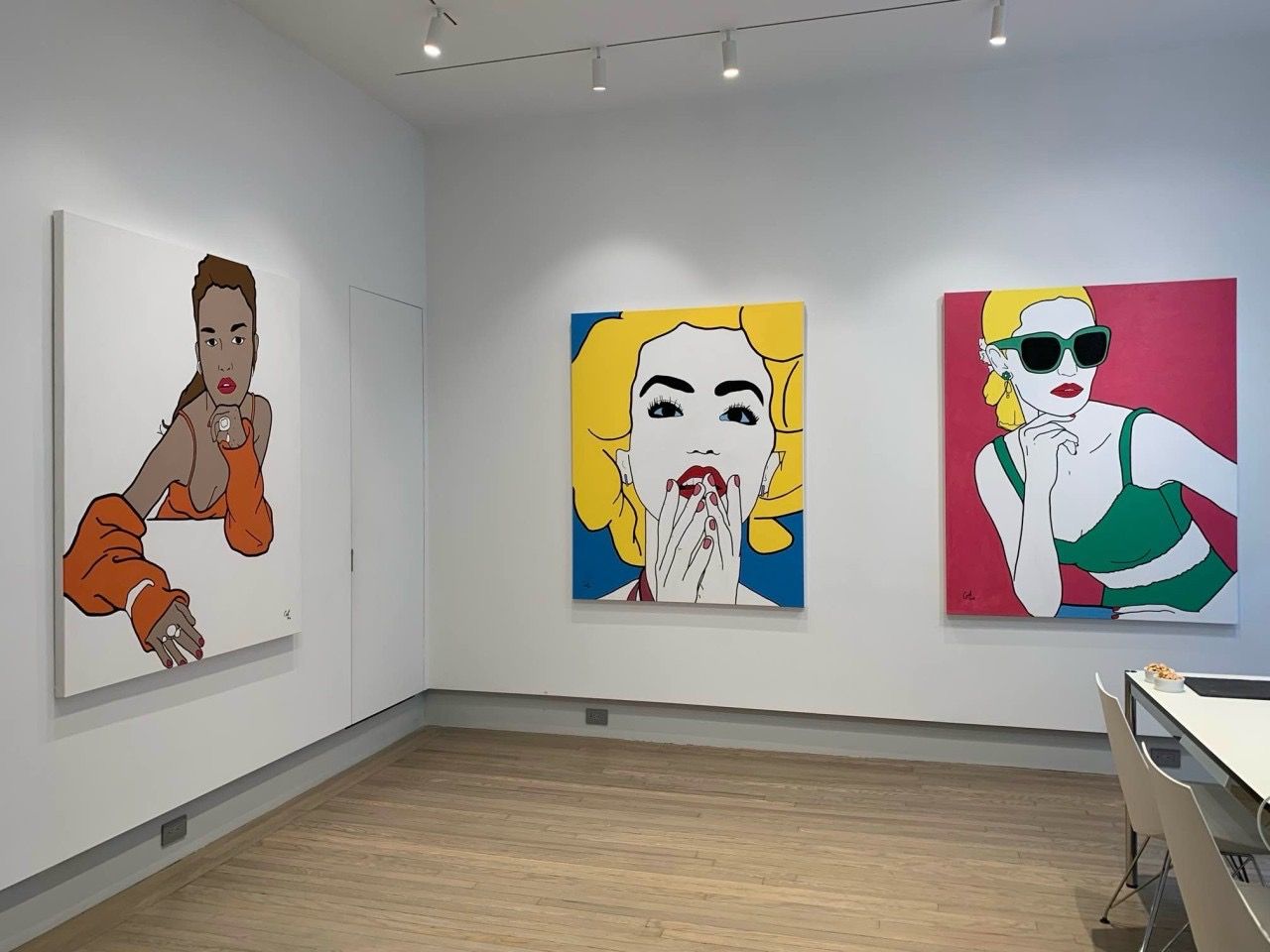
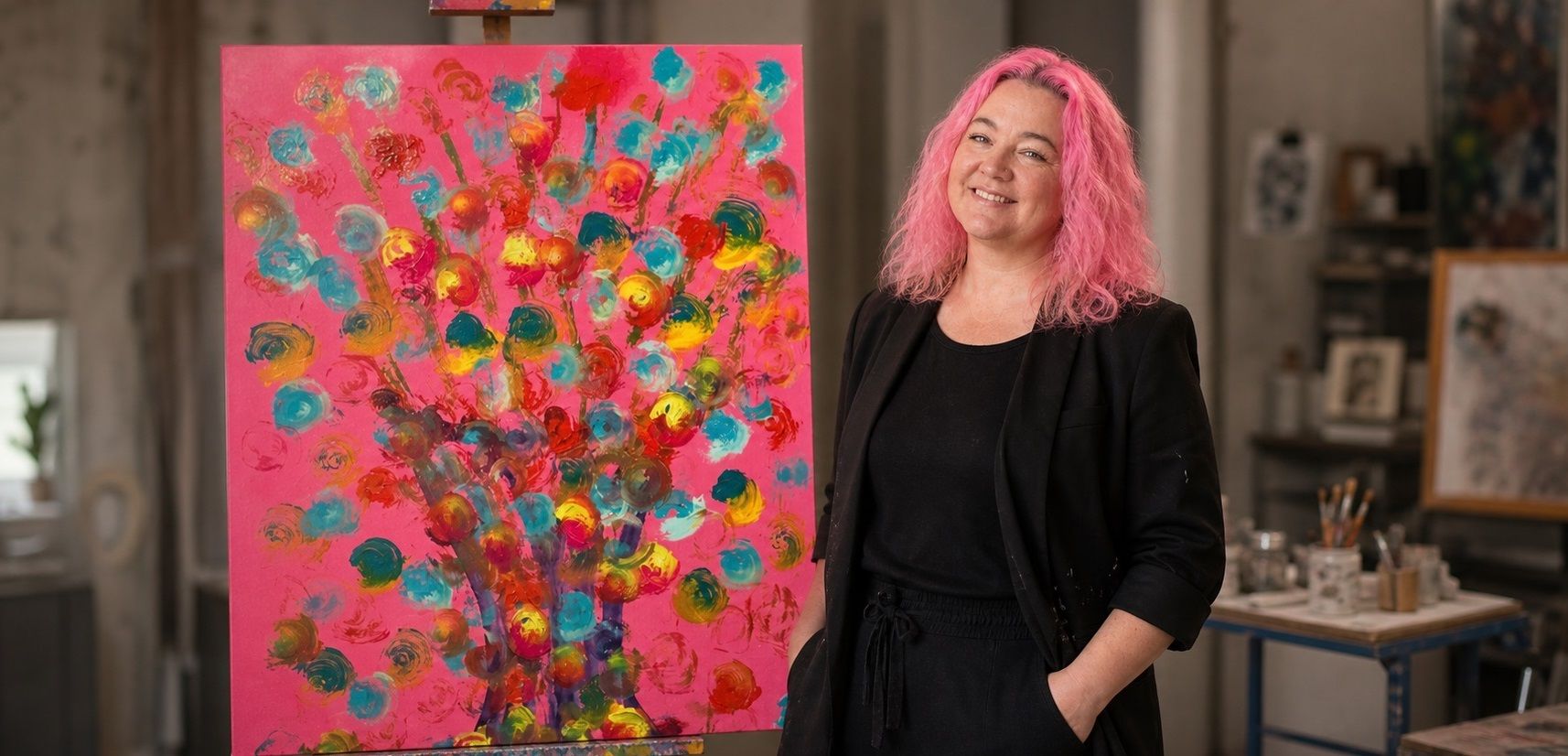
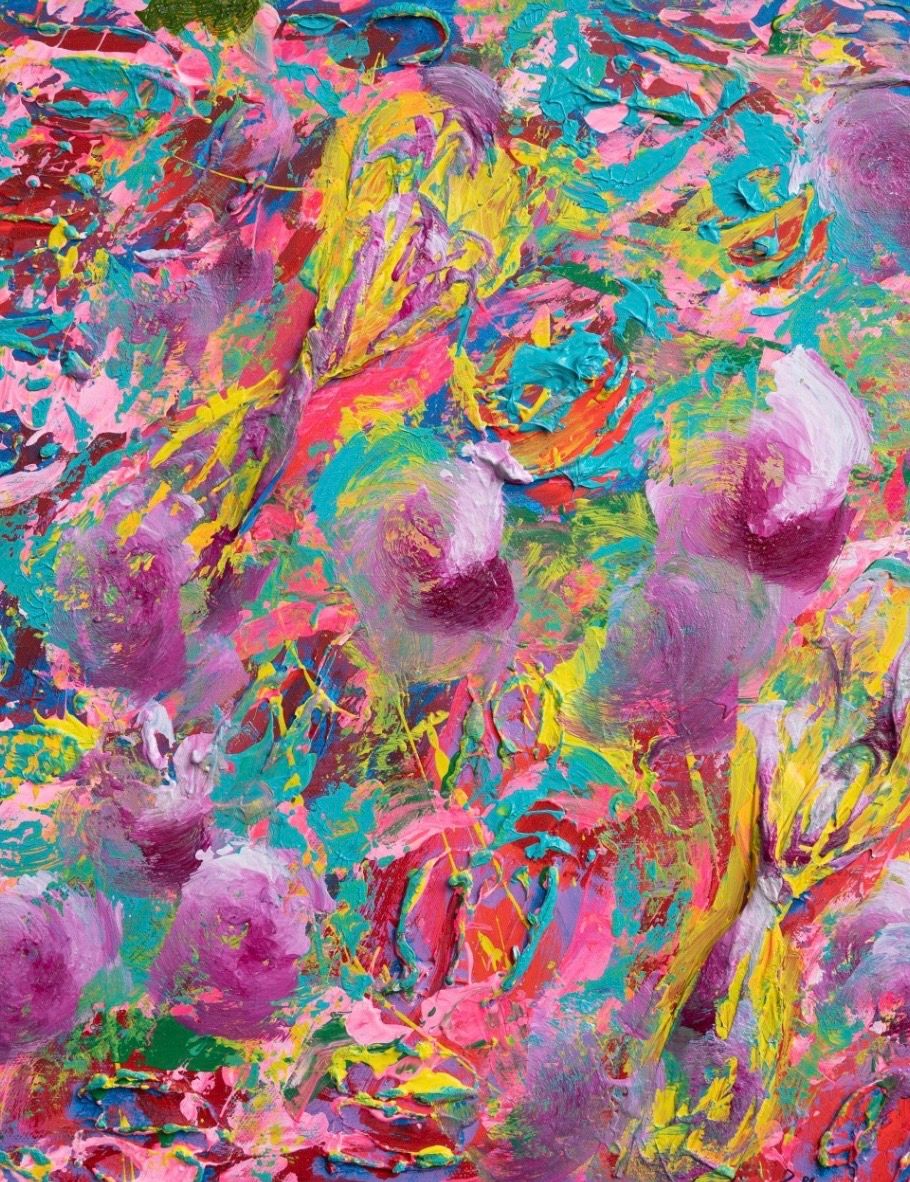
You describe your work through energy, colour, feeling, and movement. How did that visual language emerge, and what emotional or intellectual territory are you most drawn to exploring through it today?
It evolved naturally.
I used to dance and loved doing that, so it is no wonder to me that I paint energy.
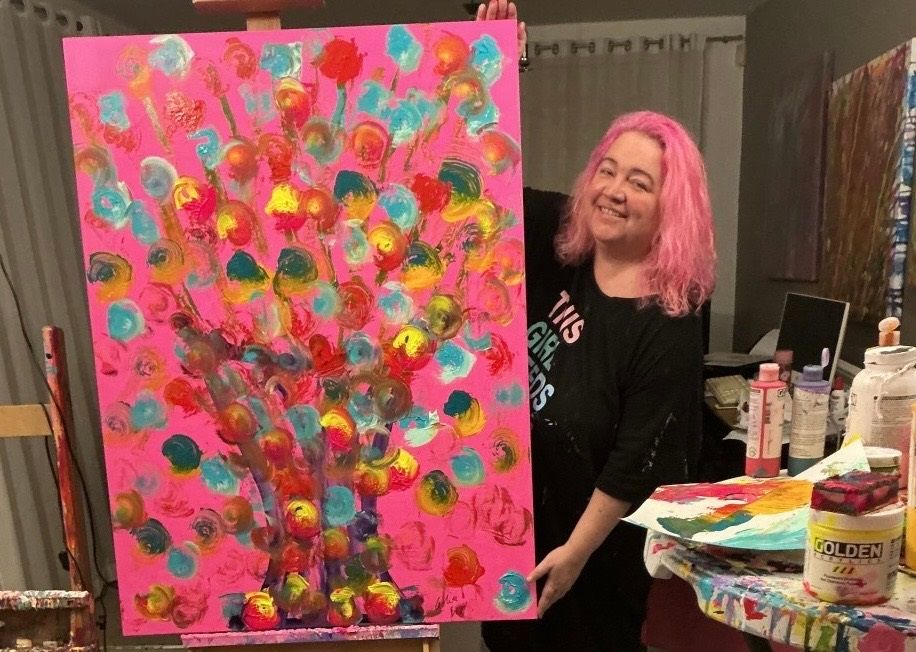
I now dance around my easel.
The longer I was an artist then the more refined my compositions became over time.
I paint in multicolour primarily to make me feel good.
I find bright colours uplifting and I want to share that feel good factor with the audience as I think basically everyone would rather be happy in life.
“I now dance around my easel.”
Question 3
Your academic background includes Economics and Sociology at the University of Bristol — disciplines rarely associated with the artist’s path. In what ways has that training shaped how you think about people, culture, value, and the role of art in society?
I noticed fellow students who were studying art and the history of art were more my kind of people and I found myself wishing that I had taken an art path, but it was too late to change.
I was good at all subjects when I was younger so that is why I didn’t know what to do.
I already knew why I found art to be so useful in society.
To me it was down to feelings.
There was a photo of a person in front of a painting of a professional dancer at a poignant moment in the routine and the person in front of the painting was copying her.
That is the power of art.
The viewer can feel what the artist is trying to say and it can improve their life in powerful ways.
Question 4
As a self-directed artist who built an international career outside the traditional art-school route, what were the decisive moments that gave you genuine confidence in your own artistic voice? What would you tell someone who is still waiting for that confidence to arrive?
Of course, being in Vogue, Tatler, Vanity Fair and House and Garden were huge moments for me.
That gave me credibility and also, felt really really good.
But not only that it was developing my style and artistic ability.
I am a painter and I just love painting so I do what feels natural to me and that is amazing because I love my life and what can be better than that.
What Builds Credibility in an International Art Career?
Question 5
Many artists speak openly about creativity, but far fewer speak openly about positioning. How have you approached the challenge of building an international artistic identity that feels both authentic and professionally credible at the same time?
I think positioning as an artist comes from knowing yourself really well.
It comes from being open to different cultures and loving the life you lead.
When you are happy within yourself then you share those vibes with others.
People can then resonate with you and your art.
Question 6
What role do art advisory networks, curated representation, and trusted intermediaries actually play in moving an artist from visibility to real collector confidence — and what do they require from the artist in return?
Honestly speaking with other art professionals, contemporaries and art experts.
For example, Chrissy Moore Art Advisory is there for me to grow myself and my art.
She believed in me and wanted the best for me and fab things followed.
I have found that you find out where you are by talking to others.
I am a Pisces so communication even in just the written word is vital.
Question 7
Your work has been featured in Vogue, Tatler, Vanity Fair, and House & Garden. In your experience, what matters more in the long run: premium media validation, consistent collector relationships, institutional recognition, or the unwavering quality of the work itself?
The quality of the work is vital as well as these things.
I think a mix of all is healthy then you can have a successful art career and not to mention believing in yourself.
“The quality of the work is vital as well as these things.”
Question 8
Contemporary artists are increasingly expected to be both creators and entrepreneurs. How do you balance the openness and intuition the work demands with the deliberate strategic choices a serious career requires? Where, if anywhere, do those two modes of thinking come into conflict for you?
Honestly it is passion.
Passion for art -- your own and art of other artists as well as determination and tenacity.
How Do Different Markets and Collectors Respond?
Question 9
You have exhibited in London, New York, and Miami. Have you noticed meaningful differences in how audiences and collectors respond to your paintings across these cities — or across different cultural contexts more broadly?
I found Miami not surprisingly loved the colourful work more broadly speaking.
London and New York like my humour and darker colours.
But honestly it is a mixed bag as it should be in art.
Question 10
When collectors engage with your work, what do you believe they are responding to most strongly: emotion, colour, atmosphere, narrative, physical energy, or something less immediately obvious?
Physical energy.
I feel that everything is energy and I communicate that on my canvases every single time no matter what I am painting.
Question 11
In a world of instant digital discovery — social platforms, online galleries, algorithm-driven recommendations — what still creates genuine, lasting trust for a serious collector encountering an artist for the first time?
For my art colour, energy and feeling and loving it.
For art in general I think it is how the art makes them feel.
Over that it is how professional and reliable the person is.
Question 12
B2BRICS readers think and operate across borders. What should globally minded collectors, founders, and cultural patrons understand better about the role of contemporary art in international life, relationship-building, and long-term legacy?
Honestly it is more simple than you think.
Just buy and support the art you love.
That is it.
“Just buy and support the art you love. That is it.”
What Role Can Art Still Play in Society?
Question 13
As a Fellow of the Royal Society of Arts, you are part of an institution dedicated to social progress through arts, manufacturing, and commerce. How do you personally interpret the relationship between artistic practice and meaningful change in society?
Art has a special role in society.
Art can talk in a way that nothing else can and it is this artist voice which we must preserve in society in order to keep society open and inclusive as well as challenge certain things and speak to the viewer's soul.
I think artists still hold a strong element of mystery about them and that can be a powerful vehicle of communication in itself.
Question 14
Where do you believe art can still make a genuinely tangible difference in people's lives today — beyond the collector market and the prestige economy?
I feel the most important thing that art does is it forces the viewer to dive inward, to explore themselves and their place in the world.
It makes them feel and think.
That is why as Patron of a mental health charity in my hometown I share how art can help and going inward is gently encouraged and with it some rehabilitation in this life we all lead.
Question 15
What misconceptions do people — including sophisticated business audiences — still hold about contemporary artists, particularly those building an international career outside the traditional institutional route?
Some people are still even to this day a bit snobbish about background in art.
But that is life.
There is not much point in thinking about it more than that in my opinion.
Question 16
Which shifts feel most important to you right now in the art world: collector behaviour, digital discovery, the growing influence of advisory networks, cultural storytelling, philanthropy, or something not yet widely discussed?
For me art as therapy is a big cultural shift.
Yayoi Kusama sort of exemplifies this as she lives in a psychiatric ward in Japan which I think is truly amazing.
She gets to make incredible art and gets her mental health looked after.
Brilliant!
Question 17
If you were advising the next generation of artists who want to build a serious international career without losing their creative identity, what principles would you ask them to protect at absolutely any cost?
Be yourself, be ambitious, know how your art feels to you, and be at one with it.
Official Bio
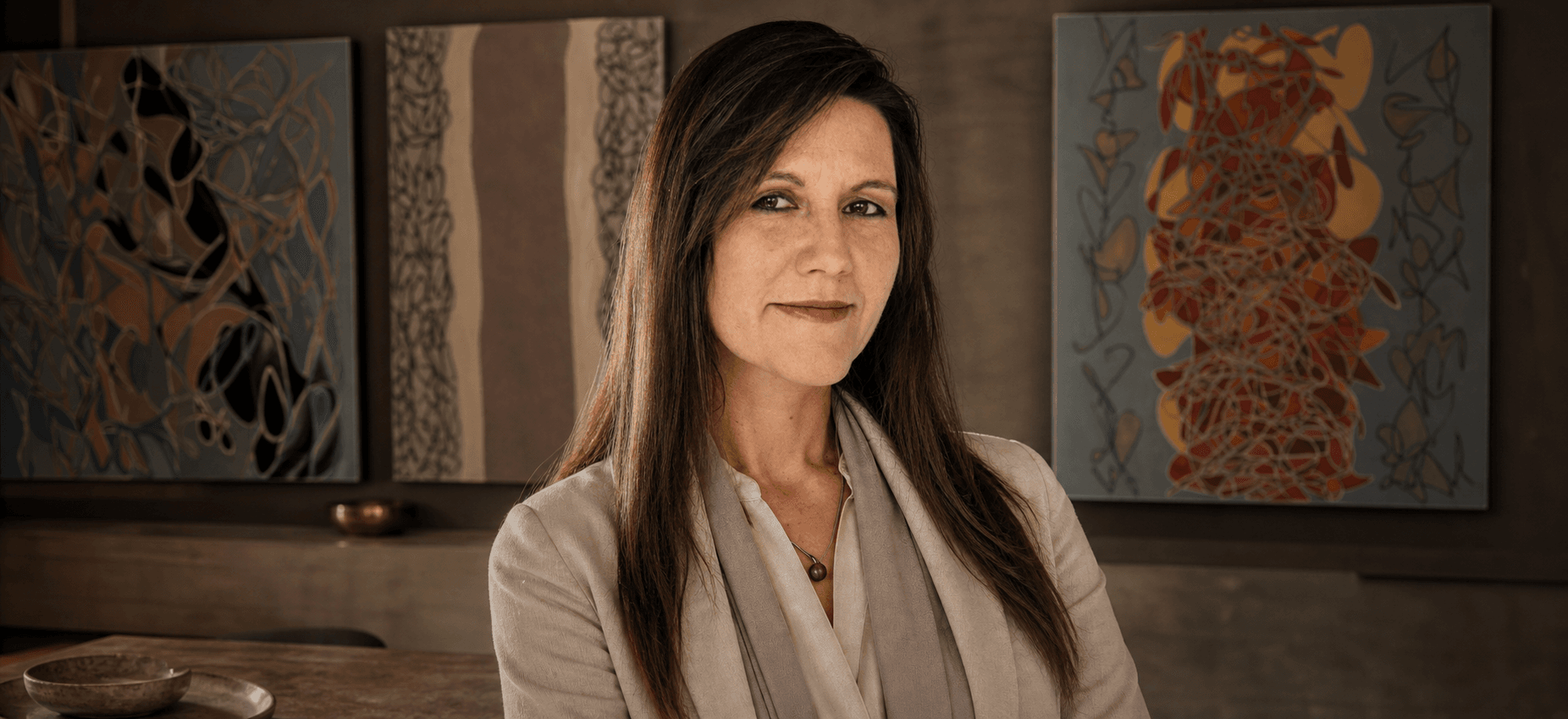
Caroline Boff is a contemporary artist who exhibits internationally.
Her paintings are intensely emotional and colourful depictions of energy.
As a former dancer she shares her passion for movement on the canvas for the purpose of lifting the vibration of the room.
Her work has been seen in Vogue, Tatler, Vanity Fair and House and Garden.
She has recently exhibited in London, Miami and New York.
She is a Fellow of the Royal Society of Arts and Boff also is Patron of a local mental health charity in her hometown.
She is represented by Chrissy Moore Art Advisory, Monaco Art Advisory, Sylvia Art Advisory and Elite Vanta.
Key Points
Q: What defines Caroline Boff’s visual language as an artist?
Caroline Boff defines her visual language through energy, colour, feeling, and movement. She connects it directly to her past as a dancer and to her belief that bright colours can uplift both the artist and the audience.
Q: What creates trust for a serious collector encountering an artist for the first time?
For Caroline Boff, trust begins with colour, energy, feeling, and a genuine love of the work. More broadly, she believes lasting trust also depends on how the art makes people feel and on how professional and reliable the artist is.
Q: What matters most in building a successful long-term art career?
She says the quality of the work is vital. At the same time, she sees a healthy career as a combination of strong work, credibility, visibility, relationships, and belief in yourself.
Q: What should globally minded collectors understand about contemporary art?
Her answer is simple: buy and support the art you love. For her, that instinct matters more than overcomplicating the role of art in legacy, relationship-building, or international cultural life.
Q: How does Caroline Boff understand the social role of art?
She believes art has a special role in society because it speaks in a way nothing else can. In her view, art encourages people to go inward, to feel, to think, and to stay open to deeper forms of human communication.
Q: Which art-world shifts deserve more attention right now?
She highlights art as therapy as one of the most important cultural shifts in the art world. She also points to the growing importance of mental health in creative life and in how society understands artists and their work.
TITLE TAG (50-60 chars): Caroline Boff on Art, Collecting & Culture | B2BRICS META DESCRIPTION (140-160 chars): Caroline Boff FRSA explains how art builds collector trust, cultural relevance, and international visibility across global markets today. RECOMMENDED SLUG: caroline-boff-art-collecting-cultural-capital PRIMARY KEYWORD: Caroline Boff interview SECONDARY KEYWORDS: Caroline Boff FRSA, contemporary art collecting, cultural capital, collector trust, international art markets, luxury art business FAQ QUESTIONS FOR SCHEMA (list 4-6): What defines Caroline Boff’s visual language as an artist?; What creates trust for a serious collector encountering an artist for the first time?; What matters most in building a successful long-term art career?; What should globally minded collectors understand about contemporary art?; How does Caroline Boff understand the social role of art?; Which art-world shifts deserve more attention right now? RECOMMENDED TAGS: Contemporary Art, Cross Border, Luxury Business, Collector Trust, Cultural Capital TOPICAL CLUSTER: Luxury Business / Cross-Border Cultural Capital / Contemporary Art & Collecting INTERNAL LINK SUGGESTIONS: Insert internal link to related Luxury Business interviews; Insert internal link to Caroline Boff verified profile on magazine.b2brics.pro; Insert internal link to related feature on art, collecting, or cross-border cultural capital