Luxury Business
Carlo Vanchieri on Abstraction, Breath, and the Architecture of Open Space
B2BRICS Magazine presents a conversation with Carlo Vanchieri on how abstraction, rhythm, colour, and “breath” shape a lifelong artistic practice rooted in Palermo and evolving continuously since the 1970s.
24.06.2026 by Editorial Team
From the editors
Luxury Business
Published: June 2026 | Last updated: June 2026
Contemporary abstraction remains most relevant when it creates not noise, but clarity. In this conversation with B2BRICS Magazine, Carlo Vanchieri argues that abstraction is not a stylistic choice but a necessity, that space must remain open, and that painting can create the conditions for silence, reflection, and a slower form of perception.
This interview offers readers a precise view into Vanchieri’s artistic philosophy, from the idea of “breath” and open space to the role of colour, structure, Sicily, and the evolving responsibility of the artist in a visually saturated world. It is a conversation about continuity, discipline, and the long arc of a practice that has developed steadily since the 1970s.
For B2BRICS Magazine, Carlo Vanchieri’s voice matters because it connects artistic integrity with cultural depth. His work speaks not only to contemporary art audiences, but also to collectors, cultural institutions, and internationally minded readers interested in how place, perception, and long-term creative vision continue to shape serious artistic work in 2026.
What Defines Carlo Vanchieri’s Artistic Language Today?
Question 1
Your artistic path has developed since the 1970s. What is the guiding thread of your work today?
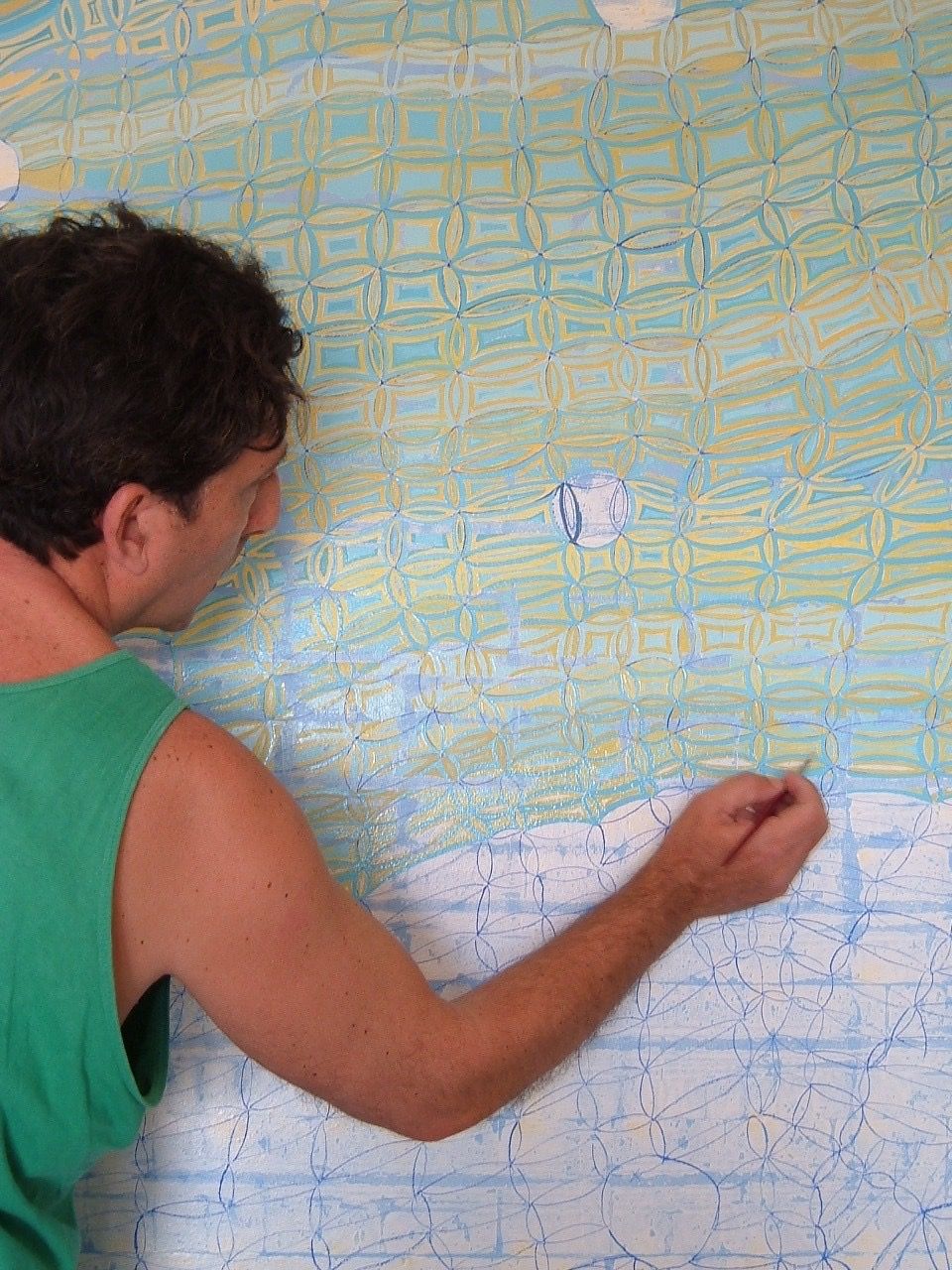
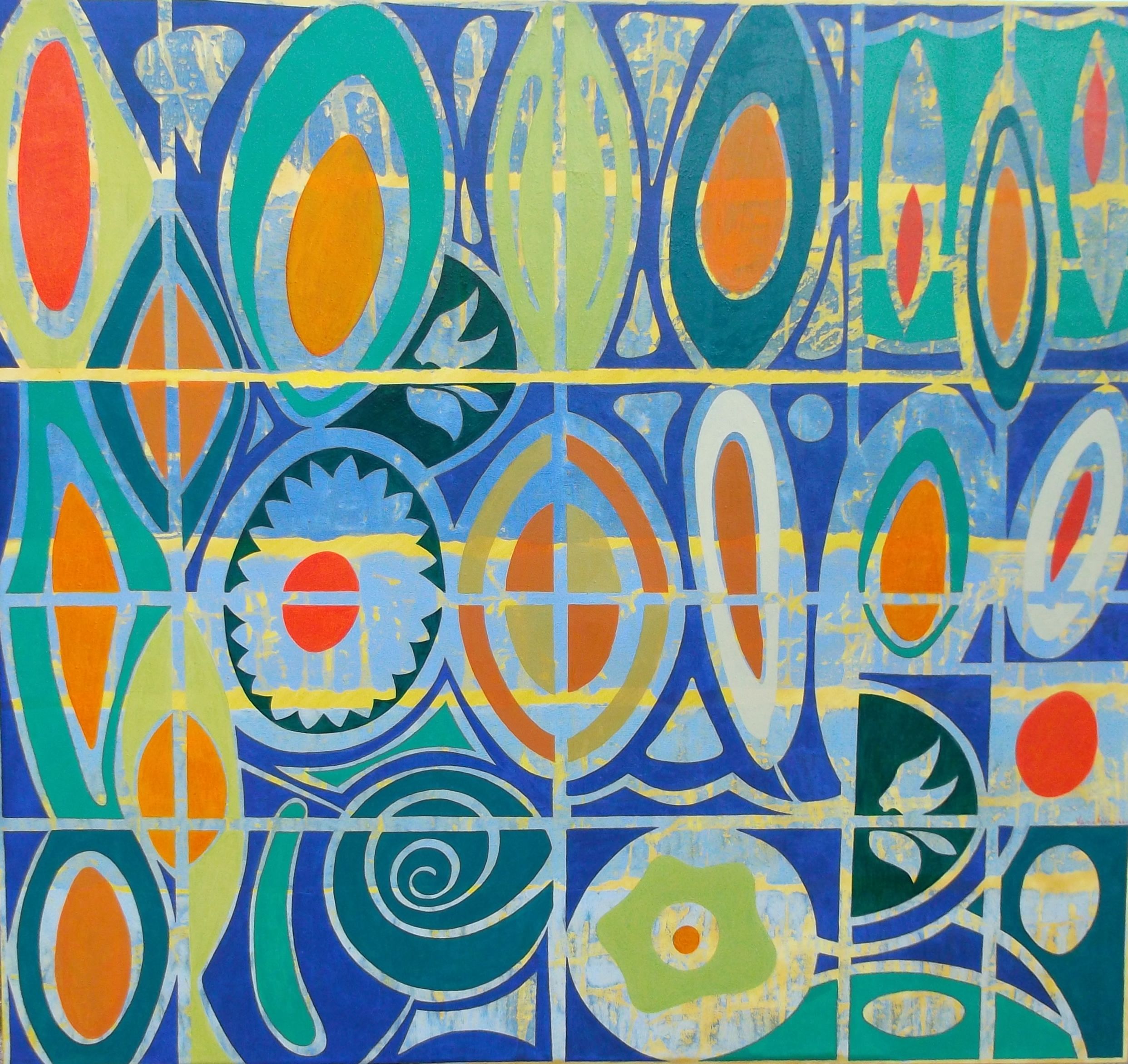
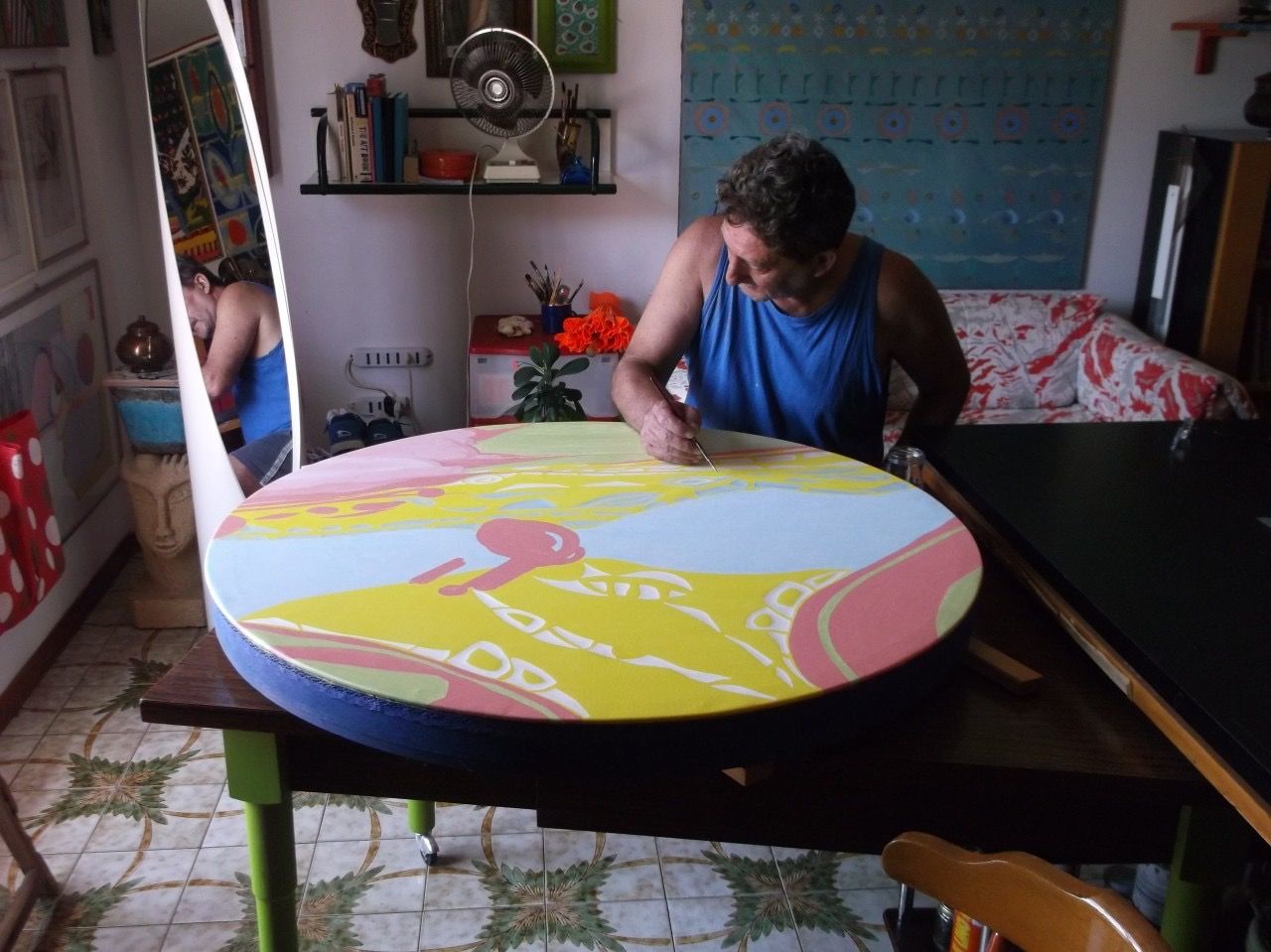
My work has developed as a continuous path rather than a sequence of separate phases. From the 1970s to today, what remains constant is the need to build a space of freedom through line, color, and rhythm. I do not consider the artwork as a finished object, but as a trace of an ongoing process.
“My work has developed as a continuous path rather than a sequence of separate phases.”
Question 2
The concept of “breath” and open space frequently appears in your work. What does it mean to you?
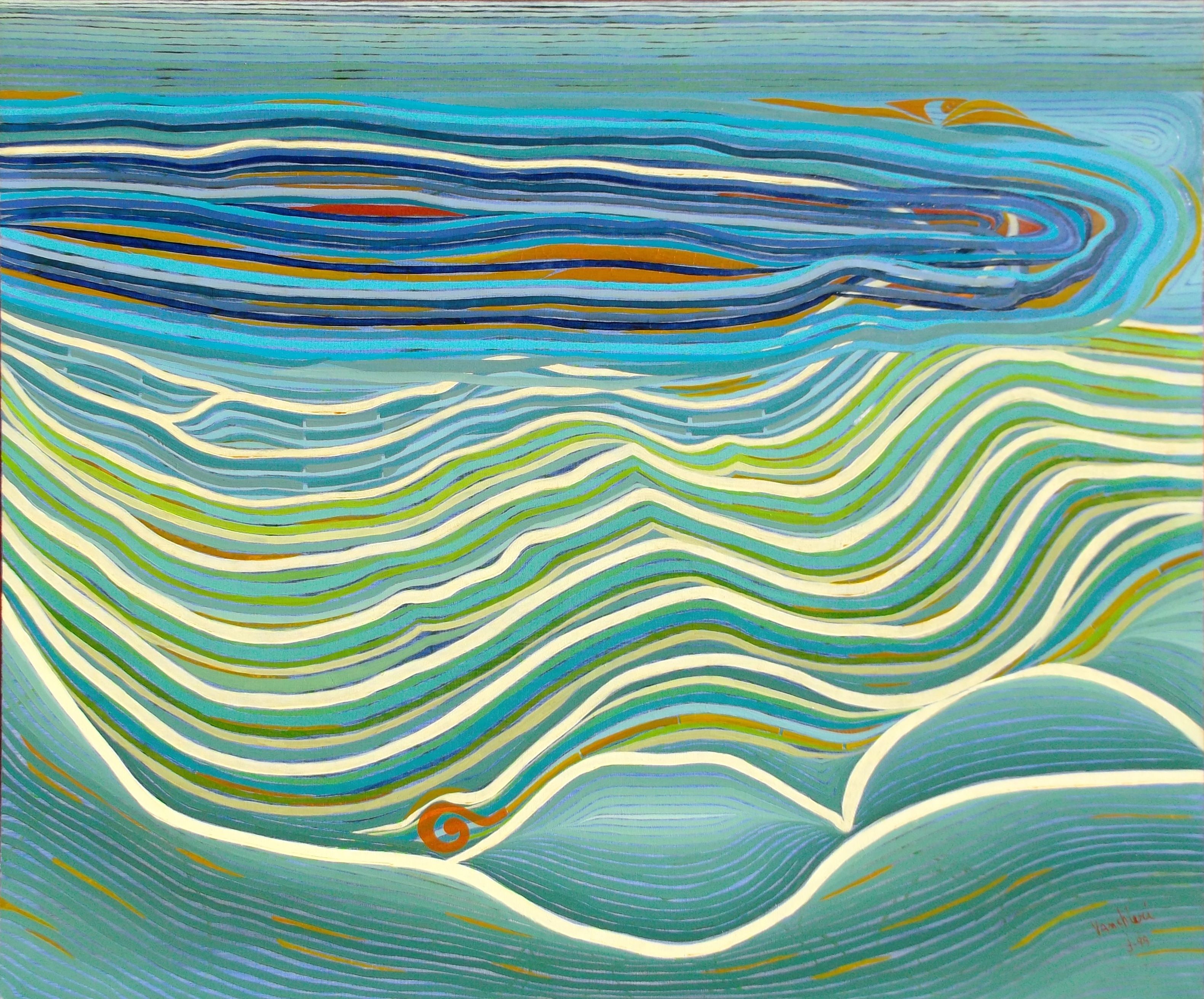
“Breath” is a mental condition before being a visual one. It is the necessary distance to see things without being overwhelmed. In my work, space is never closed; it is an open structure where the gaze can move freely.
Question 3
How has your training influenced your artistic language?
My academic training gave me technical tools and discipline, but the direction of my language emerged mainly from experimentation. Over time, I have tried to go beyond technique toward a more essential synthesis.
How Do Colour, Abstraction, and Structure Work Together in His Practice?
Question 4
What role does color play in your practice?
Color is never decorative. It is structure, energy, and rhythm. Each color has a precise role within the balance of the work, as if it were a voice in a musical composition.
Question 5
How do you relate your work to contemporary abstraction?
Abstraction, for me, is not a stylistic choice but a necessity. It is a way to free the image from direct reference and open it to a more mental and universal dimension.
Question 6
Does Sicily play a role in your artistic vision?
Sicily is a deep presence, even when not explicit. It is a stratification of light, history, and contrasts that inevitably enters the way I see and construct space.
“Abstraction, for me, is not a stylistic choice but a necessity.”
How Does Carlo Vanchieri Balance Intuition, Thought, and Responsibility?
Question 7
How do you balance intuition and structure in your work?
There is always a balance between control and intuition. The project provides structure, but intuition opens unexpected possibilities. The work emerges precisely from this tension.
Question 8
What role does the artist have today?
Today, the artist should not only produce images but create conditions for thought. In a world saturated with visuals, the task is to restore space to perception.
Question 9
How would you describe the evolution of your practice?
I see it as an open project. Each work is a stage, not an arrival. There is no final point, only a continuity of questions.
“Today, the artist should not only produce images but create conditions for thought.”
What Experience Does He Want the Viewer to Have?
Question 10
What experience should the viewer have in front of your work?
I would like the viewer to find a space of active silence, not an answer. A moment in which the gaze can slow down and listen.
Key Points
Q: What is the main idea behind Carlo Vanchieri’s work?
The main idea is continuity rather than rupture. Carlo Vanchieri describes his work as “a continuous path rather than a sequence of separate phases,” where each artwork remains part of an ongoing process shaped by line, color, rhythm, and an open sense of visual freedom.
Q: What does Carlo Vanchieri mean by “breath” in painting?
For Carlo Vanchieri, “breath” is first a mental condition and only then a visual one. It refers to distance, silence, and the ability to see without being overwhelmed, which is why his work treats space as open, never closed, and always available to the moving gaze.
Q: How does Carlo Vanchieri use colour in abstraction?
He does not treat color as decoration. In his words, color is “structure, energy, and rhythm,” and each tone has a precise function within the balance of the work, almost like a voice inside a musical composition.
Q: Why is Sicily important to Carlo Vanchieri’s artistic vision?
Sicily is not presented as a literal motif, but as a deep underlying presence. Carlo Vanchieri describes it as “a stratification of light, history, and contrasts,” suggesting that place enters his practice less as image and more as a way of seeing and constructing space.
Q: How does Carlo Vanchieri define abstraction in 2026?
He defines abstraction as a necessity rather than a style. For him, abstraction frees the image from direct reference and opens it toward a more mental and universal dimension, which keeps it intellectually relevant in 2026 and beyond.
Q: What experience does Carlo Vanchieri want for the viewer?
He wants the viewer to encounter “a space of active silence, not an answer.” The aim is not visual overload, but a slower and more contemplative moment in which perception can pause, listen, and unfold over time.