Founders & CEOs
Alexandre Borges on Attention Metrics, Programmatic Media, and Brazil’s Digital Edge
Alexandre Borges, CEO & Founder of CentralComm Media Hub, explains why Brazil’s digital growth depends on attention metrics, data, and human relevance.
15.06.2026 by Editorial Team
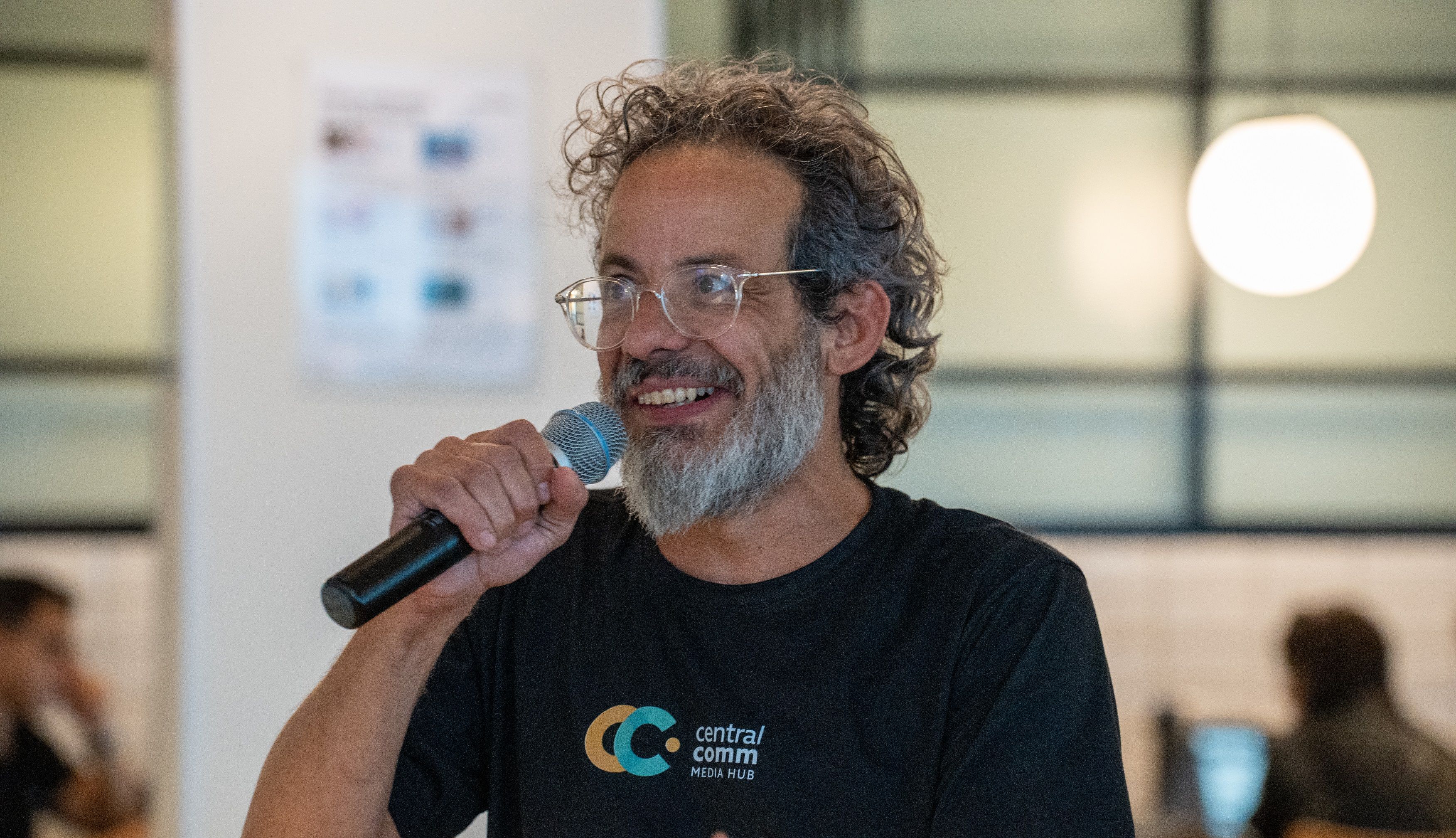
From the editors
Founders & CEOs
Published: June 2026 | Last updated: June 2026
Brazil’s digital advertising market is moving toward a more demanding standard in which media value is judged less by raw exposure and more by the quality of attention, attribution, and measurable business impact. In this interview, Alexandre Borges argues that the next competitive advantage will belong to operators who can turn programmatic complexity into strategic clarity and use data without losing the human dimension of communication.
This conversation gives readers a practitioner’s view of what sophisticated media buying looks like in 2026, why first-party data and attention-based optimisation matter, and where Brazil is ahead of — and still behind — the global curve. It also offers a useful BRICS lens on mobile behaviour, social commerce, platform adoption, and the growing gap between vanity metrics and commercially meaningful signals.
From the Editor-in-Chief: At B2BRICS Magazine, we look for interviews that translate market noise into decision-grade insight for founders, operators, investors, and cross-border readers. Alexandre Borges is relevant to that mission because his answers connect Brazilian market behaviour, programmatic execution, ethical data use, and the emerging shift from passive reach to active attention.
How Did CentralComm Begin, and What Shaped Alexandre Borges’s Leadership Style?
Question 1
What first pushed you to build CentralComm Media Hub instead of continuing on a more conventional executive path?
CentralComm was built to close a clear market gap between advanced data technology and tangible business results. Borges says the market needed a hub that could translate programmatic complexity into competitive advantage inside the attention economy rather than merely operate tools.
He frames the company’s mission as helping brands find the customer before the competition does. In his view, technology only matters when it serves communication through a strategic, results-oriented lens that goes beyond impressions and toward real human engagement.
Question 2
You built your career in Belo Horizonte rather than in Brazil’s most obvious media capitals. How has Minas Gerais shaped your business instincts, leadership style, and way of building trust?
Belo Horizonte and the culture of Minas Gerais shaped his leadership around prudence, long-term relationships, and solidity. Borges describes trust as the primary currency in that environment and says it made his approach more consultative and resilient.
He adds that this regional culture encouraged CentralComm to build a sustainable business before chasing unrestrained scale. He links that mindset directly to the company’s emphasis on transparency and technical delivery.
Question 3
Looking back over more than 15 years in the market, which inflection point most changed the way you saw digital media?
The decisive turning point was the rise of programmatic media. Borges says it changed planning from deciding where a brand should appear to deciding who should be reached and at what moment.
He describes this as a shift from buying inventory to buying audience through data. He also argues that the market is now entering a further transition from passive reach to active attention.
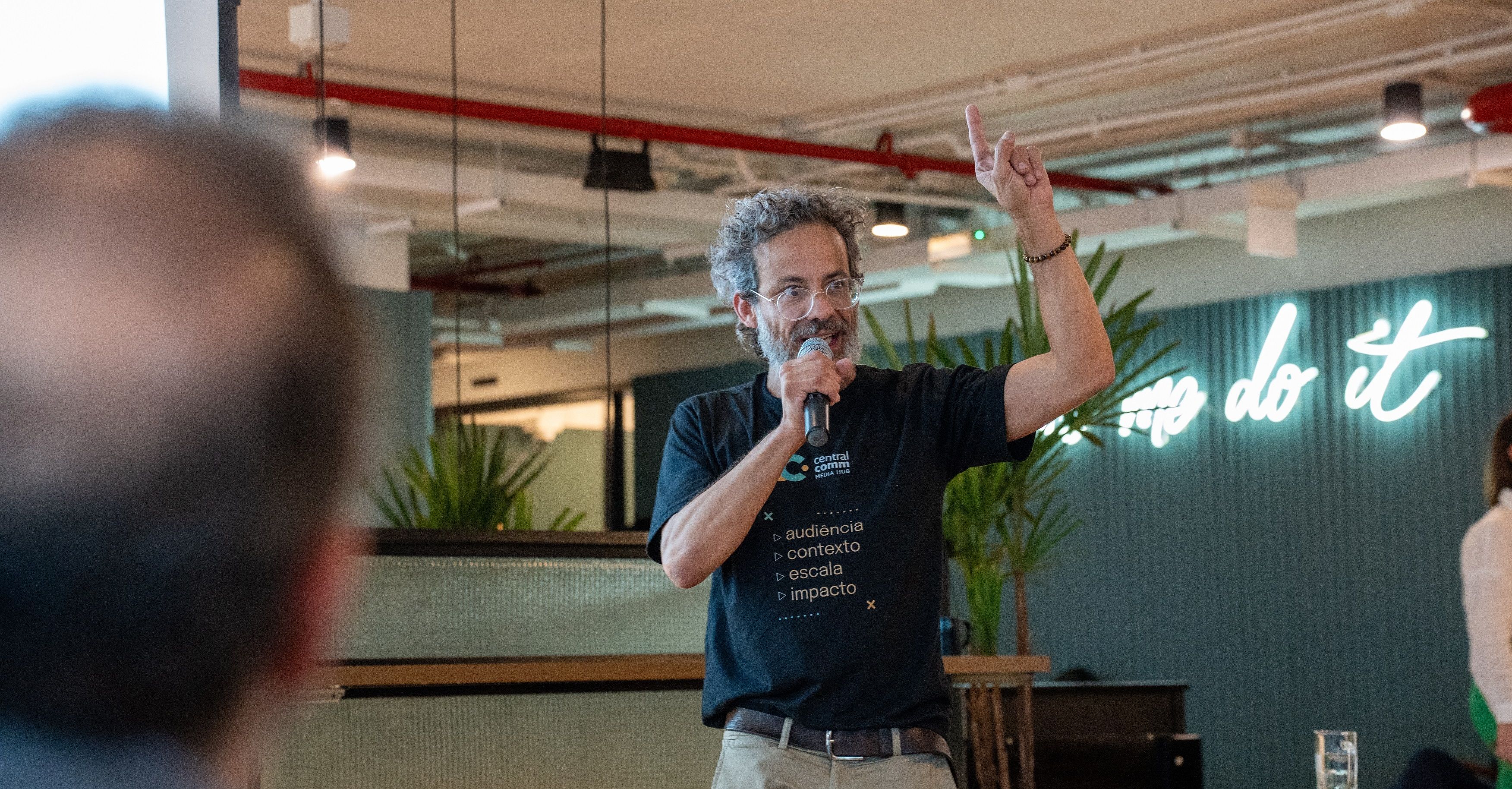
“The future of advertising belongs to those who can bridge the gap between data complexity and human connection.”
What Makes Programmatic Media a Real Competitive Advantage?
Question 4
Programmatic media is still seen by many executives as highly technical and difficult to control. What do sophisticated clients understand about it that inexperienced clients still miss?
Sophisticated clients understand that programmatic is not a black box but a layer of intelligence. Borges says control comes from first-party data strategy, inventory curation, and attention-based optimisation rather than from automation alone.
He rejects the idea that technology can do everything by itself. In his account, success still depends on experienced human operators who can configure algorithms, avoid fraud, and interpret signals machines may miss.
Question 5
In your profile, one phrase stands out: turning connections between brands and audiences into tangible results. What does that process look like in practice inside a high-performing campaign?
Borges reduces high-performing execution to a cycle of data, context, creativity, and attribution. He says the process starts by identifying the real audience, understanding where that audience is receptive, delivering the right message, and measuring impact with discipline.
He points to CTV environments such as Netflix, Disney+, and Amazon Prime, as well as audio advertising on Spotify and Deezer, as examples of high-impact channels in that system. He also says CentralComm consistently reaches a 95% completion rate in audio, which he presents as evidence that the message is earning dwell time and focus rather than simply being served.
Question 6
Many agencies talk about being data-driven, but the term is often used superficially. In your view, what distinguishes truly data-driven decision-making from reporting theater?
Real data-driven decision-making changes action, while reporting theater only decorates performance with vanity metrics. Borges contrasts likes and raw impressions with metrics tied to efficiency, causality, and attention quality.
His practical test is straightforward: if a campaign shows high engagement but weak conversion, he would rather pause it in favour of channels with positive ROAS. For him, data should generate better questions and sharper decisions, not prettier slides.
“Finding the customer before the competition means winning attention, not just impressions.”

Where Is Brazil’s Digital Market Strong, and Where Is It Still Maturing?
Question 7
You also say that the future of advertising lies in data plus humanity. Where do you see the industry losing the human dimension today, and how can strong leaders restore it without sacrificing performance?
The industry loses its human dimension when consumers are reduced to IDs and cookies. Borges argues that excessive automation can easily become invasive if it is not balanced by ethics, user experience, and respect for attention.
He says technology should enhance empathy rather than replace it. In his framework, data should help brands be useful at the right moment while protecting privacy and building long-term trust through meaningful engagement instead of repetition.
Question 8
Which mistake do companies most often make when they try to scale digital performance too quickly?
The classic mistake is what Borges calls scale waste. He says companies often push more capital into acquisition channels before fixing conversion funnels or retention, which only makes a weak system more expensive.
Drawing on work with more than 250 brands, he says teams frequently ignore audience saturation and creative fatigue while assuming that higher bids will solve the problem. His view is that the real missing ingredient is strategic depth and a better understanding of the quality of the attention being purchased.
Question 9
How do you read the current Brazilian digital marketing environment?
Brazil is advanced in creativity and social media consumption, but it is still maturing in measurement culture and multi-channel attribution. Borges describes the country as one of the more mature markets for adopting new platforms, yet he sees a continuing overreliance on last-click models.
He argues that this distorts how companies value branding and top-of-funnel media. His conclusion is that attention metrics represent the next frontier for Brazilian advertisers who want to understand media value more accurately.
“Attention Metrics are the next frontier for Brazilian advertisers to truly understand media value.”

What Can BRICS Markets Learn from Brazil, and What Should Brazil Learn Faster?
Question 10
For companies outside Brazil that want to win Brazilian audiences, what do they usually misunderstand about communication, trust, and conversion?
Foreign companies often underestimate the need to tropicalise both language and service. Borges says Brazilian audiences value proximity, aspirational tone, and social proof, which means trust is built through presence and dialogue rather than price alone.
He also notes that many non-Brazilian operators try to repeat direct search strategies that work in Europe without recognising how much the Brazilian journey moves through communities and local influencers. In his reading, conversion in Brazil depends on cultural relevance and attention, not simply efficient targeting.
Question 11
B2BRICS is especially interested in business bridges across emerging markets. From your perspective, what can Brazilian companies teach other BRICS markets about digital growth, and what should Brazil itself learn faster?
Brazil can teach other BRICS markets about social commerce and agile mobile media execution. Borges points specifically to the use of WhatsApp and Instagram to close deals as an area in which Brazilian practice is globally competitive.
At the same time, he says Brazil should learn faster from markets such as China. The lesson he highlights is the integration of payment and data ecosystems through super apps, which he says Brazil is only beginning to consolidate.
Question 12
As someone who works with both brands and data, what signals tell you that a market is entering a new growth phase rather than just experiencing temporary hype?
Borges looks for practical utility, reliable data infrastructure, and visible talent adoption. He says a real growth phase begins when a market solves an actual business problem, supports trustworthy measurement, and attracts serious professionals to build in it.
He presents the move from viewability to attention metrics as a definitive example. In his view, the market matures when it stops asking whether an ad was merely seen and starts asking whether a user actually paid attention, using signals such as dwell time, eye-tracking proxies, and active engagement.
Quick Insights
Three words: Data, Context, Attention.
Quality in relationships: Radical transparency.
Misconception: Programmatic is only for large budgets.
Emerging shift: The transition from Viewability to Attention Metrics as the gold standard for media quality.
Key Points
Q: What is Alexandre Borges’s main thesis on the future of advertising?
His main thesis is that the future of advertising belongs to companies that can combine data complexity with human connection. Throughout the interview, he argues that attention quality, ethical use of data, and strategic media execution matter more than empty scale or automation for its own sake.
Q: Why does Alexandre Borges believe attention metrics matter more than simple impressions?
He believes attention metrics matter because they come closer to real human behaviour than basic exposure metrics do. His argument is that viewability alone is no longer enough when advertisers need to understand dwell time, active engagement, and whether a message actually earned focus.
Q: How does Alexandre Borges describe Brazil’s digital marketing environment in 2026?
He describes Brazil as advanced in creativity and platform adoption but still developing in attribution discipline. In particular, he criticises the persistence of last-click logic because it undervalues branding and top-of-funnel media.
Q: What does Alexandre Borges say foreign companies misunderstand about Brazilian consumers?
He says many foreign companies misunderstand how much trust in Brazil depends on cultural proximity, dialogue, and social proof. According to his answer, brands that ignore local language tone, communities, and influencer dynamics tend to miss how conversion actually happens in the market.
Q: What can other BRICS markets learn from Brazil according to Alexandre Borges?
He says other BRICS markets can learn from Brazil’s strength in social commerce and mobile-led engagement. He particularly points to the practical business use of WhatsApp and Instagram as channels that do not simply generate visibility but help close deals.
Q: What signals tell Alexandre Borges that a market is entering a real growth phase?
He looks for three signs: practical utility, reliable data infrastructure, and talent migration into the space. He adds that one of the clearest signs of maturation is the move from measuring whether an ad was seen to measuring whether it genuinely captured attention.