Luxury Business
Maurizio Corbi on Ferrari Design, Human Authorship, and the Future of Luxury Mobility
Former Pininfarina designer and automotive artist Maurizio Corbi explains why proportion, identity, emotion and human judgment remain essential as AI, electrification and global competition reshape luxury mobility.
05.08.2026 by Editorial Team
From the editors
Luxury Business
Luxury mobility is entering a decisive period in which artificial intelligence, electrification, digital development, and shorter product cycles are expanding what manufacturers can create, while making authentic identity more difficult to protect.
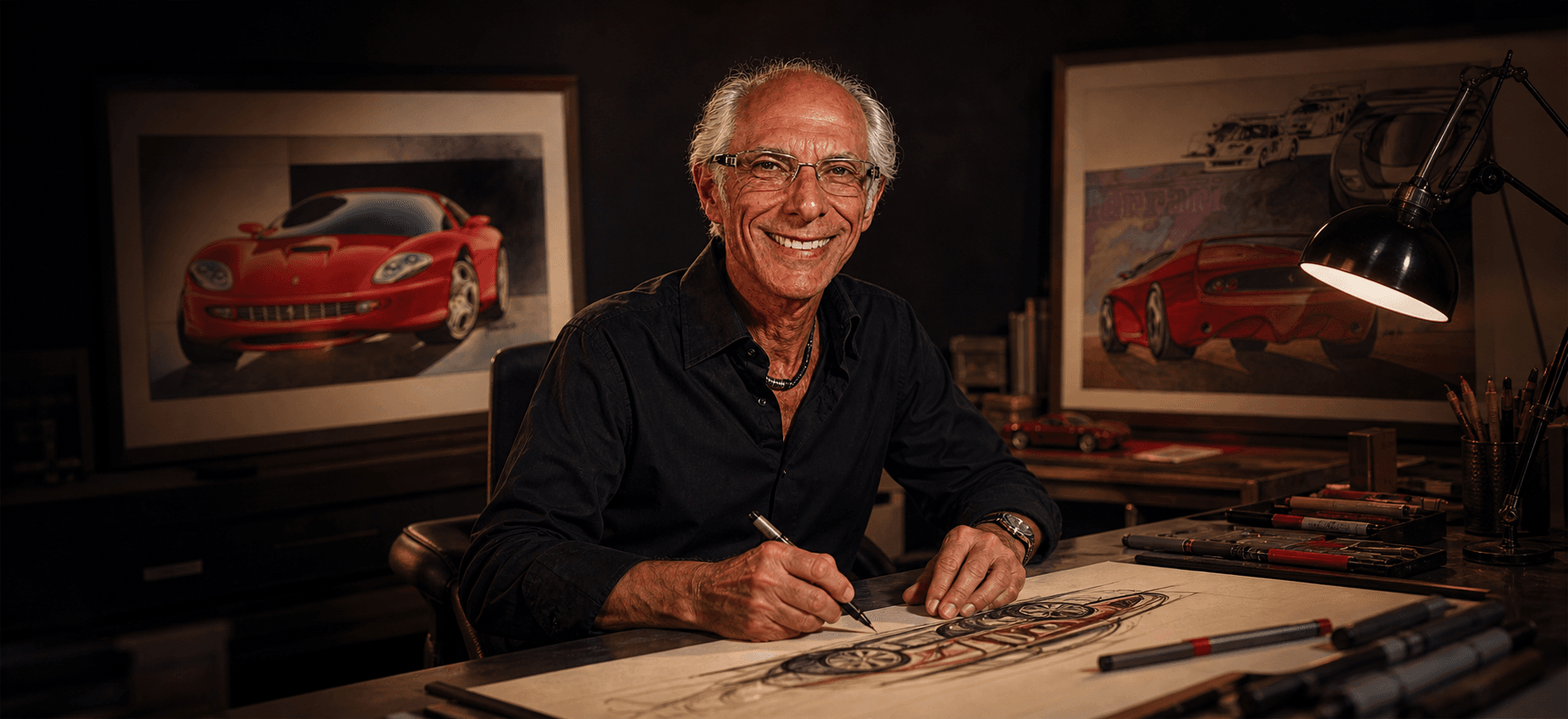
For B2BRICS Magazine readers, this interview with Maurizio Corbi, Italian automotive designer, automotive artist, and former Pininfarina designer, explains why the enduring value of a vehicle still depends on proportion, coherence, functionality, emotion, and the human judgment required to unite them.
From the editor-in-chief perspective, the value of this conversation lies in its discipline. Corbi does not treat design as styling, technology as an end in itself, or heritage as an invitation to repeat the past. He describes a practical philosophy for founders, executives, investors, and emerging premium brands: innovation must create meaning, and the future of mobility depends not only on smarter cars, but on more meaningful ones.
What Creates Lasting Automotive Design?
Question 1
You began your professional path in Italian design before joining Pininfarina in 1989. What first drew you to automotive design, and which early experiences most shaped your eye for proportion, character and emotion?
My path into automotive design was, as it often happens with true passions, a genuine vocation. From an early age, I knew this was what I wanted to do. I was fortunate to grow up in Italy, the home of FIAT, Alfa Romeo, Maserati, Ferrari and Lancia, but also of the legendary coachbuilders—above all Pininfarina and Bertone. Those icons formed my cultural landscape and inspired me long before I became a designer.
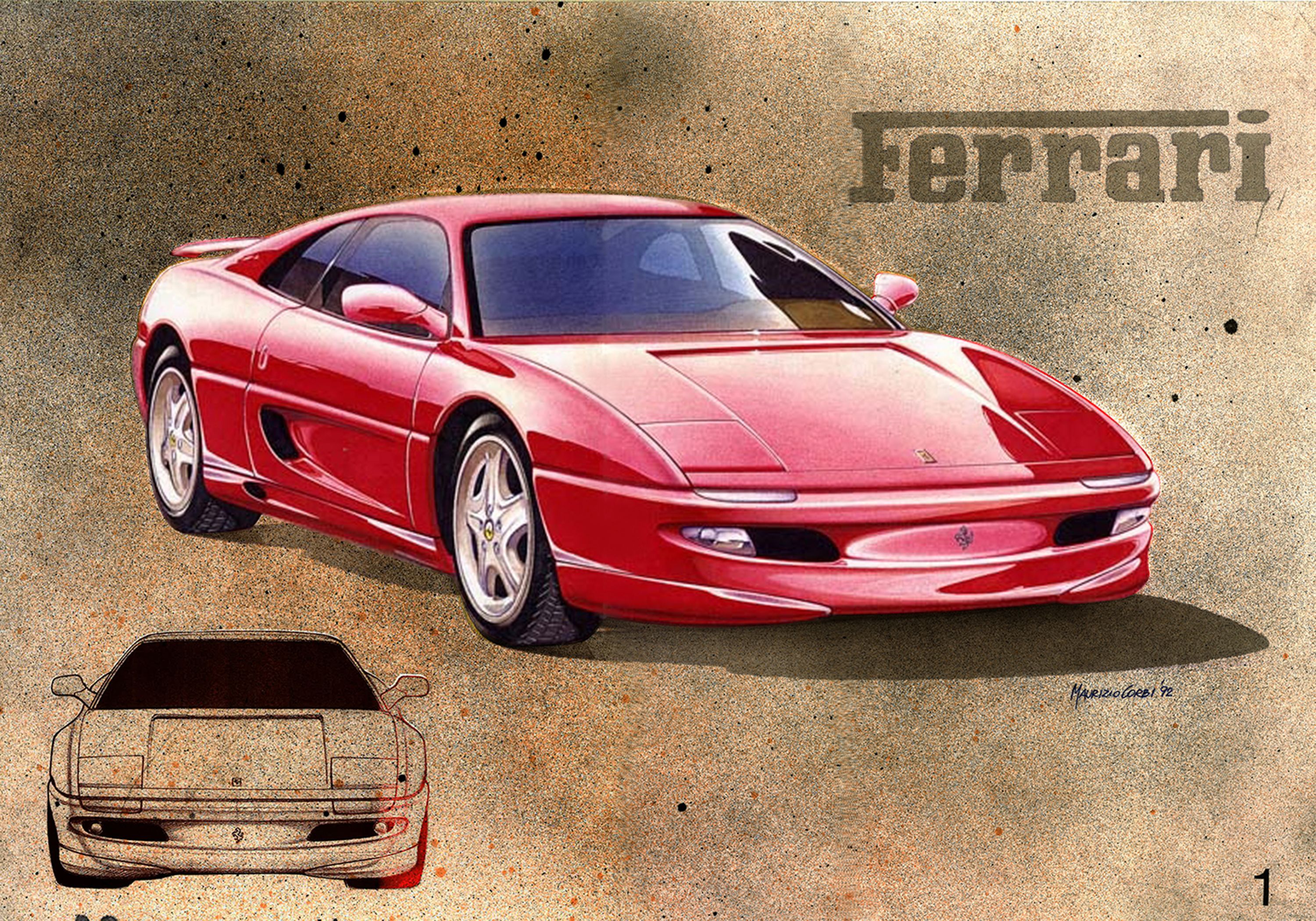
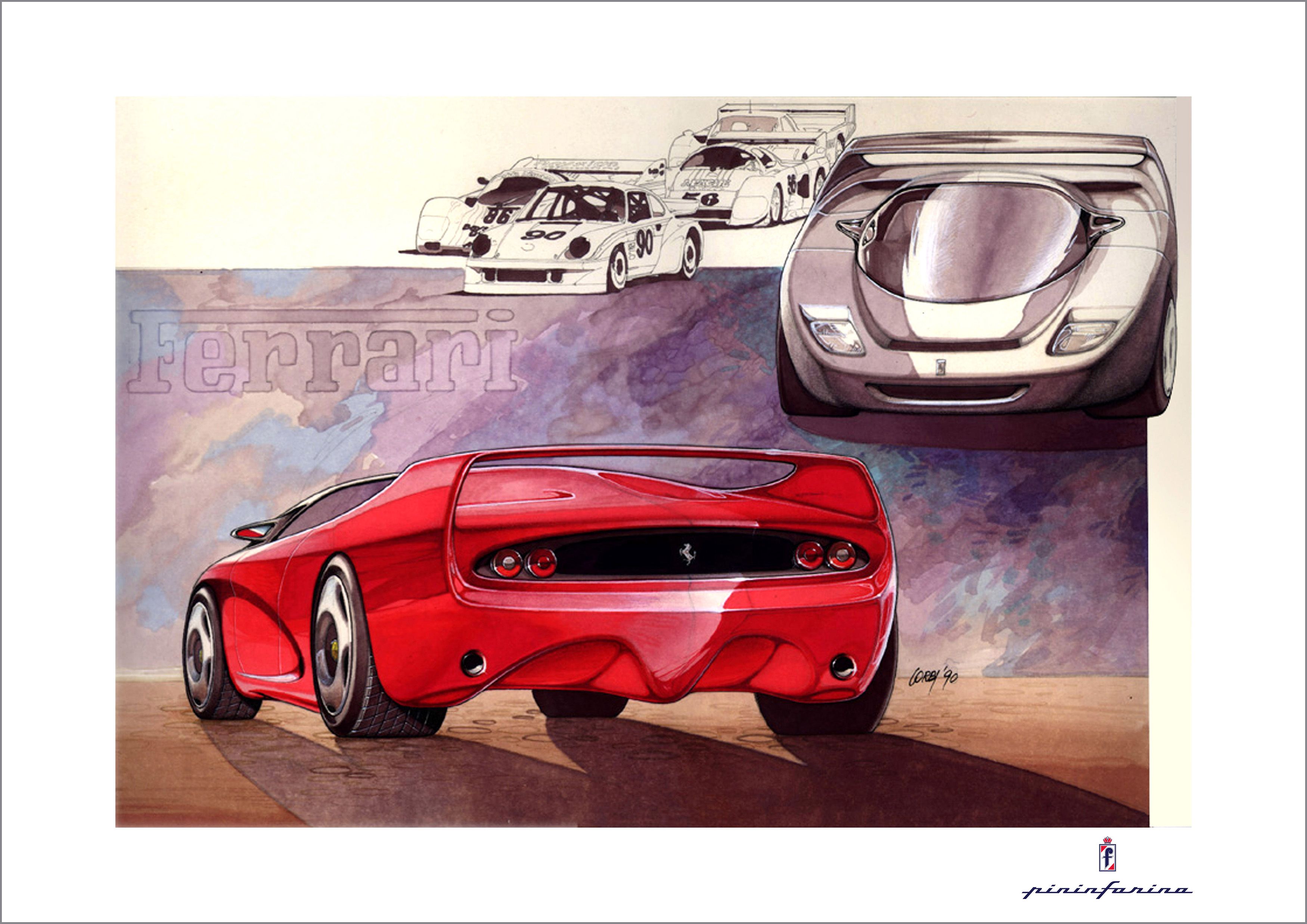
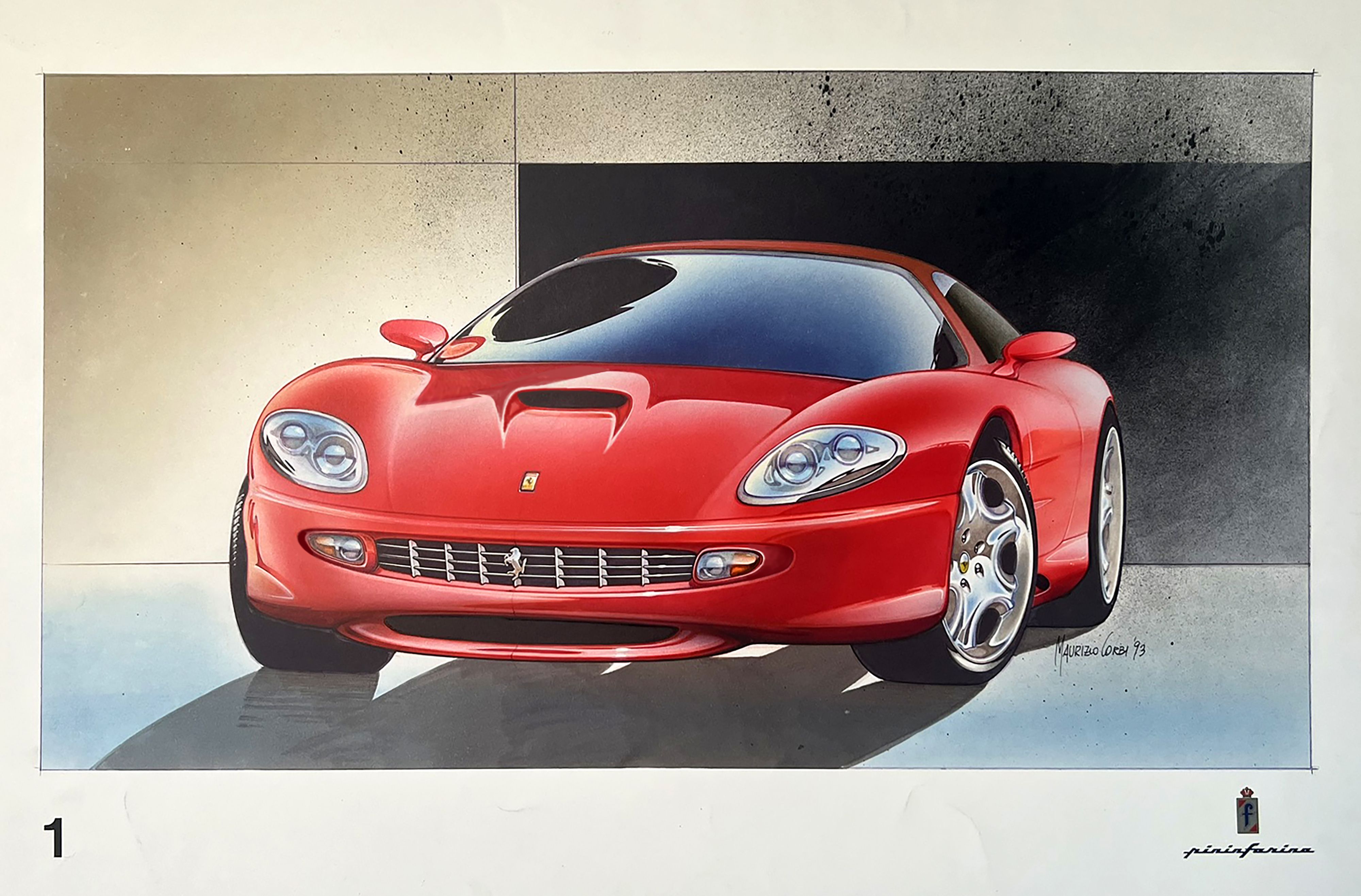
My professional journey began with an internship at Ghia, followed by a year at Bertone Stile. In 1989, I joined Pininfarina, where I spent nearly 36 years working on some of the most exciting automotive projects of my career. Among the most rewarding experiences was contributing significantly to the design of Ferrari models throughout the 1990s, a remarkable period that helped shape the brand’s modern identity.
One lesson from those early years has stayed with me ever since: great automotive design is never just about creating beautiful forms. It is about proportion, balance and emotion—about giving a car a distinctive character that people can immediately recognize and connect with. That philosophy has guided my work throughout my career and continues to inspire every project I undertake today.
Question 2
Across your work on Ferrari projects including the F456 GT, F50, F355, 550 Maranello and California, what did these programmes teach you about designing for a marque whose identity is already so powerful?
Working on Ferrari projects was an unforgettable experience. It was the fulfilment of a childhood dream, bringing with it immense enthusiasm but also the constant fear of not being good enough. Every time our team presented a design proposal to the Ferrari board, we felt both excitement and pressure. We knew we were not simply designing another car—we were contributing to one of the most iconic brands in automotive history.
Although Pininfarina collaborated with many prestigious manufacturers, Ferrari was unique. The emotional commitment was unlike anything else. During the creative phase, each designer naturally wanted his proposal to be selected. There was a healthy sense of competition because everyone wanted to create the winning idea.
Once a direction had been chosen, however, individual ambition gave way to teamwork. Transforming a two-dimensional sketch into a full-scale physical model demanded the talent, experience and sensitivity of designers, modellers and engineers alike. Every refinement of a surface or proportion had to preserve the original vision while making the car stronger and more coherent.
The most enduring lesson I learned is that designing for Ferrari is never about expressing your own ego. It is about serving a brand with an extraordinarily powerful identity. Innovation is essential, but it must always respect the marque’s DNA. Achieving that balance is only possible through genuine collaboration, where every member of the team contributes to creating something timeless and unmistakably Ferrari.
Question 3
When does an automobile become more than a product—becoming a cultural object, a collector’s reference or even a work of art?
An automobile becomes more than a product when it creates an emotional connection that survives its time. It becomes part of our culture because people remember how it made them feel, not just how it performed. During my years at Pininfarina, contributing to the design development of Ferrari, I learned that timeless cars are never born from trends. They are built on proportion, identity and authenticity. Every line must have meaning, every surface must express a clear vision. Fashion fades, but a strong design language endures because it reflects values rather than style. That is what transforms a car into a lasting cultural icon.
“Designing for Ferrari is never about expressing your own ego. It is about serving a brand with an extraordinarily powerful identity.”
How Should Designers Work With AI and New Technology?
Question 4
What are the non-negotiable principles of enduring automotive design? If you had to name the elements that give a car a lasting presence, where would you begin?
Lasting automotive design begins with proportion. Before any detail, logo or lighting signature, a great car communicates through its stance, balance and presence. If the proportions are right, the design will remain convincing even as trends change.
The second principle is coherence. Surfaces, graphics and functional solutions must all express the same idea. A strong brand identity is not defined by a grille or a logo—which can evolve, as recent rebranding by Peugeot, Fiat, BMW or Mercedes demonstrates—but by a consistent design philosophy that customers instantly recognize.
Functionality is equally essential. The most enduring designs are those where aesthetics and engineering reinforce one another rather than compete. Simplicity, clarity and purpose generally age better than visual complexity created to attract attention for only a few years.
Today’s automotive industry faces unprecedented pressure to shorten development cycles and model lifespans. In this context, durability is no longer measured only by how long a vehicle stays on the market, but by whether its design communicates authentic values despite rapid change.
Technology, AI and digital tools can accelerate exploration and decision-making, but one element must remain human: judgment. Designers are responsible for selecting, not simply generating, solutions. They balance innovation with heritage, understand cultural context and create emotional connections that algorithms cannot measure.
Ultimately, lasting automotive identity is built on timeless principles—proportion, coherence, functionality and emotion. Technology may change the process, but only human vision can ensure that a car remains recognizable, meaningful and desirable beyond its product cycle.
Question 5
The automotive industry now operates with shorter development cycles, greater global pressure and rapidly changing technology. How has the designer’s task changed since the era of your early Ferrari work—and what has not changed at all?
The designer’s role has changed dramatically in terms of speed, complexity and the range of tools available. During my early years at Pininfarina, development cycles were longer, design decisions matured over time, and physical modelling played a central role. Today, digital workflows, AI-assisted tools and global collaboration allow ideas to be explored and evaluated much faster. Designers must also consider software, user experience, sustainability and increasingly diverse global markets from the very beginning of a project.
At the same time, commercial pressure has shortened product lifecycles and increased the need for constant innovation. Designers are expected to respond more quickly while maintaining a coherent identity across an expanding portfolio of vehicles.
However, the essence of the profession has not changed. A successful car still begins with a strong idea, expressed through proportion, balance and emotional presence. Technology can generate countless alternatives, but it cannot decide which one truly represents a brand or creates a lasting emotional connection.
The designer’s most important responsibility remains judgment: understanding people, interpreting culture, respecting a brand’s heritage while looking to the future, and knowing when a design feels authentic rather than simply new.
In the end, the tools have evolved enormously, but the objective remains exactly the same—to create vehicles that people recognize, desire and remember. Lasting automotive design has always been, and continues to be, a uniquely human act of vision, sensitivity and responsibility.
Question 6
You have worked from hand sketches to advanced digital tools. How should the industry use artificial intelligence in design without losing human authorship, judgment and originality?
I have experienced the evolution from the era of hand sketches and physical models to today’s highly advanced digital environment. Each technological step has expanded the designer’s possibilities, but it has never replaced the need for creativity, intuition and personal vision.
I believe artificial intelligence should be considered a powerful tool, not a substitute for the designer. AI can be extremely valuable in accelerating research, exploring a wider range of solutions, analysing trends, supporting engineering decisions and helping designers visualize alternatives at an early stage. It can increase efficiency and allow more time to focus on the most important decisions.
However, the danger is confusing quantity with quality. A machine can generate endless proposals, but it cannot understand why one idea has emotional strength, cultural meaning or the potential to become part of a brand’s identity. The designer’s role remains essential in giving direction, making choices and adding a human interpretation.
Originality does not come from the number of solutions generated, but from the vision behind the selection. A great designer is not simply someone who creates forms, but someone who understands people, society and the values a product must communicate.
Technology will continue to transform our profession, as it always has. But the final responsibility must remain human: the ability to recognize beauty, authenticity and emotion. AI can accelerate the journey, but the designer must still decide where to go.
Question 7
In premium mobility, technology can be copied quickly; a distinctive identity cannot. How do you create a recognisable visual language without turning a brand into a repetition of its own past?
A strong brand identity is not created by repeating the past, but by understanding the principles that made the past meaningful. Every successful automotive brand has a DNA: a certain attitude, proportion, sense of performance, elegance or emotion that customers recognize immediately. These values must remain consistent, while their expression must evolve with time.
The greatest mistake is to confuse heritage with imitation. A brand cannot simply recreate its historical symbols or design elements forever, because this risks becoming a caricature of itself. The role of the designer is to interpret the spirit of the brand and translate it into a contemporary language.
Technology is becoming increasingly accessible and can be adopted by many manufacturers. What remains difficult to copy is the emotional connection created by a coherent and authentic identity. This comes from a deep understanding of the brand’s history, its customers and the cultural context in which the car exists.
A recognisable visual language is therefore built through continuity, not repetition. It can evolve in proportions, surfaces, interfaces and new forms of expression, while preserving the fundamental character that makes the brand unique.
In my experience, the challenge for a designer is always to balance respect for heritage with the courage to innovate. The past should be a foundation, not a destination. A brand remains alive only when it can look forward while still being unmistakably itself.
“AI can accelerate the journey, but the designer must still decide where to go.”
What Can New Premium Brands Learn From Italian Design?
Question 8
Many emerging automotive brands are competing for global premium status. What are the most common mistakes a young brand makes when it tries to look luxurious—and what does authentic premium design require instead?
One of the most common mistakes of young automotive brands is to confuse luxury with visual excess. Adding more details, more technology or more aggressive styling does not automatically create a premium image. True luxury is often expressed through restraint, coherence and attention to every single detail.
A brand cannot build credibility simply by imitating established premium manufacturers or adopting superficial symbols of status. Authentic premium design requires a clear identity, a strong philosophy and the ability to express values that are unique and recognizable.
The most successful luxury brands are not defined only by materials or features, but by the consistency of the entire experience: proportions, craftsmanship, technology, usability and emotional connection. Every element must feel intentional and part of the same vision.
For a young brand, the challenge is not to appear luxurious, but to create something that deserves to be considered premium. This requires patience, authenticity and a long-term commitment to quality.
In the end, premium status is not designed through appearance alone. It is earned by creating products with character, meaning and a clear reason to exist.
Question 9
What lessons from the Italian design tradition are universal enough to be useful to mobility companies anywhere in the world, including fast-growing markets in Asia, the Gulf, Latin America and Africa?
The greatest lesson from the Italian design tradition is that design is not only about creating beautiful objects; it is about creating objects with meaning, balance and emotional value. Italian automotive design has always combined creativity with engineering, technology with human sensitivity.
One of its most universal principles is the search for proportion and harmony. A successful product must communicate its purpose clearly while creating an emotional connection with the user. This approach can be applied anywhere in the world, regardless of market or culture.
Another important lesson is the value of craftsmanship and attention to detail. Even in an era of digital design and mass production, the perception of quality comes from the care given to every decision, from the overall shape to the smallest element.
For emerging mobility markets, the Italian example is not about copying a particular style or aesthetic language. It is about understanding that identity, authenticity and creativity are strategic values. Every region has its own culture, aspirations and needs, and great design should interpret them rather than ignore them.
The future of mobility will belong to companies that combine advanced technology with a deep understanding of people. This balance between innovation and emotion is perhaps the most universal lesson of Italian design.
Question 10
Electrification is changing packaging, performance and the relationship between form and mechanical function. Does it create more freedom for designers, or does it risk making cars visually less distinctive?
Electrification is one of the greatest transformations in automotive history, and for designers it represents both a challenge and an opportunity. The removal of many traditional mechanical constraints allows new possibilities in packaging, proportions and interior architecture.
However, greater freedom does not automatically create stronger identity. One risk of the electric era is that many vehicles may become visually similar if design is driven only by technology, aerodynamics or efficiency. Without a clear vision, innovation can reduce character rather than enhance it.
The designer’s role is therefore more important than ever: to transform new technical possibilities into emotional and recognizable forms. An electric vehicle should not only communicate advanced technology, but also express the personality and values of the brand.
Throughout automotive history, technology has always changed the language of design. The successful brands will be those that use innovation to strengthen their identity, not replace it.
Electrification offers more freedom, but also greater responsibility: the goal is not simply to create new cars, but meaningful ones.
Question 11
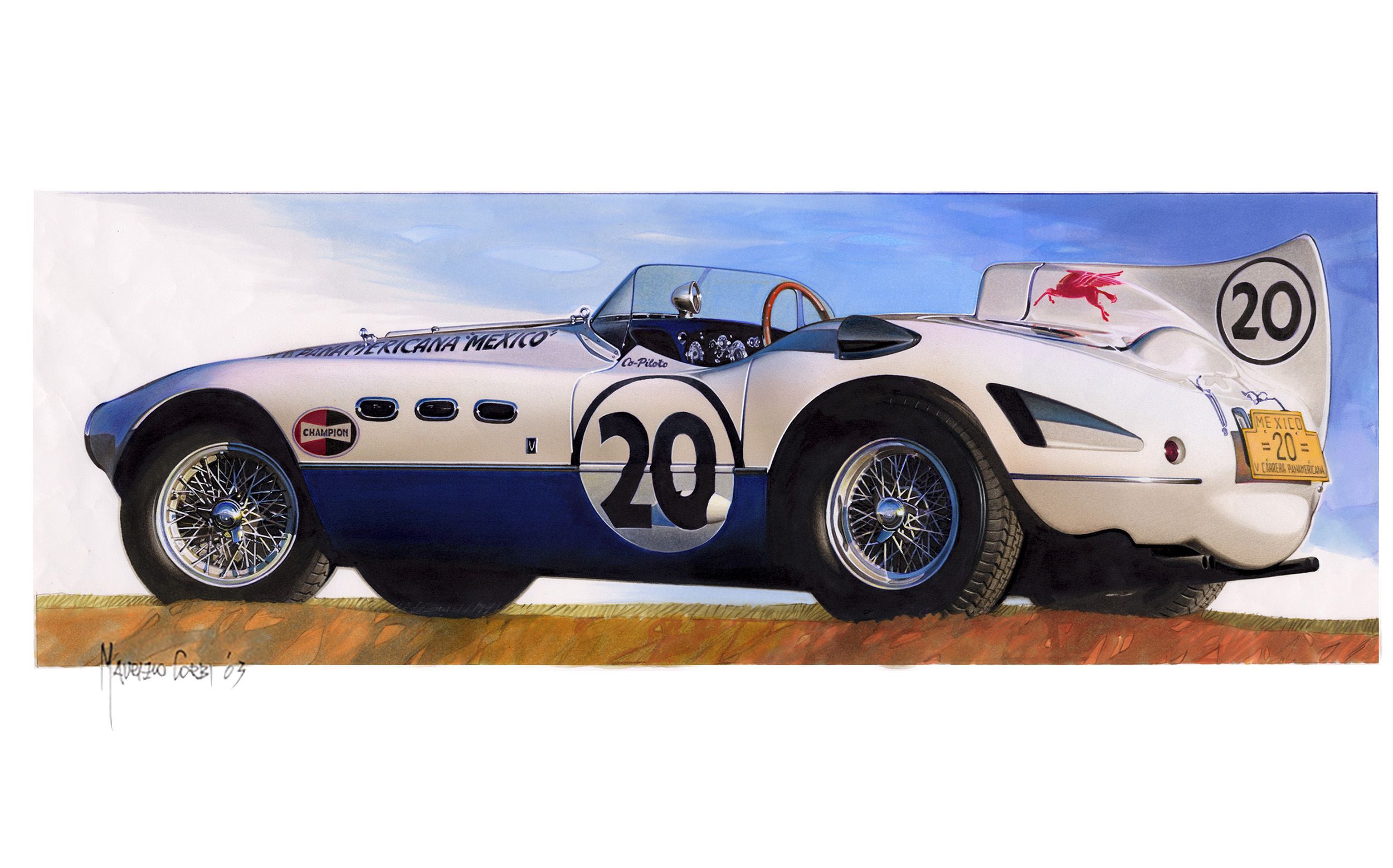
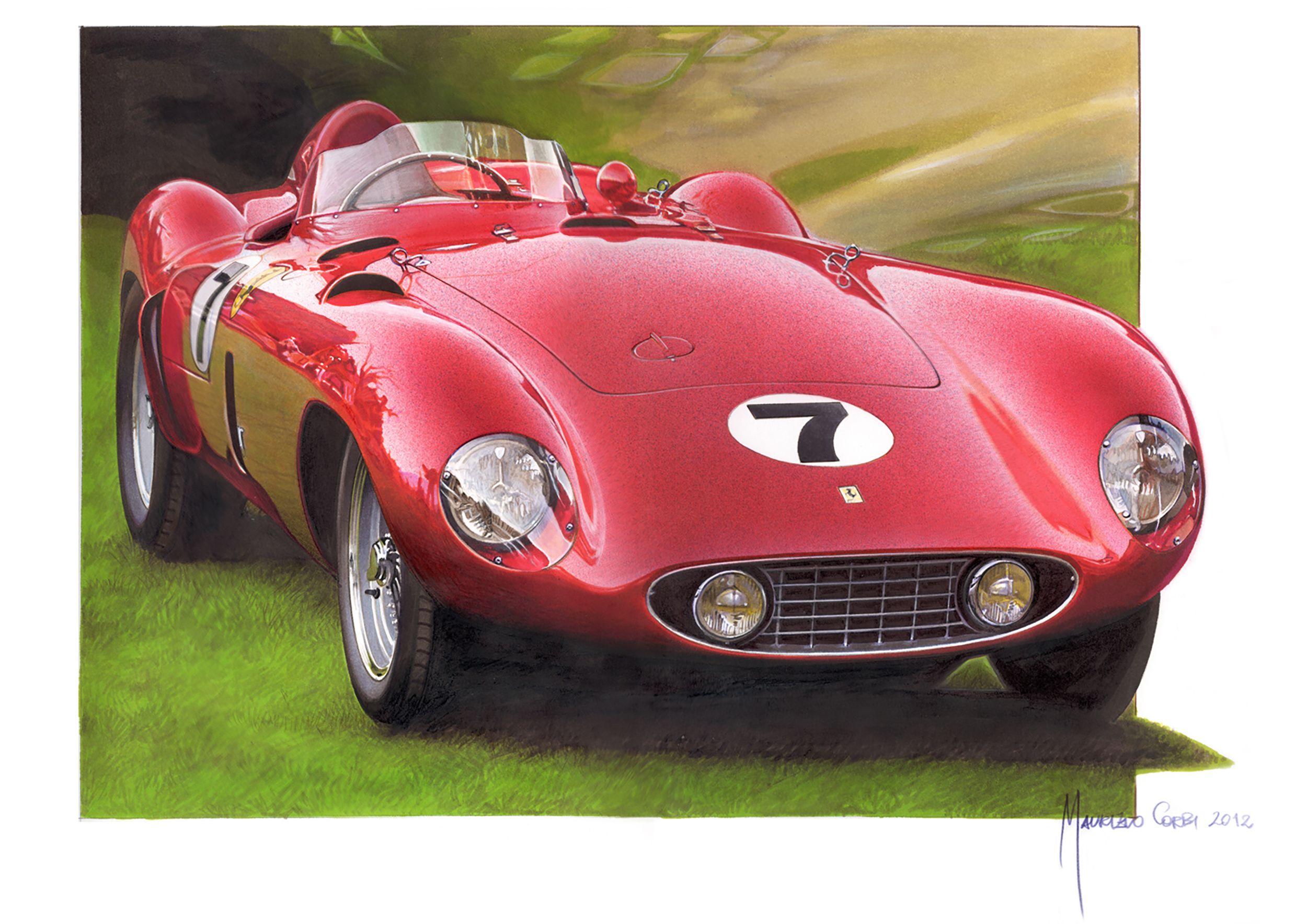
Your work as an automotive artist places classic and contemporary cars in a different cultural frame. How do heritage, scarcity and authorship influence the way collectors and luxury audiences value an automobile today?
My work as an automotive artist has shown me that a car is often valued for much more than its technical characteristics. Collectors and luxury audiences increasingly look at automobiles as cultural objects, where history, emotion and human creativity play a fundamental role.
Heritage gives a car a deeper meaning. A vehicle connected to an important moment, a particular designer, or a unique story becomes part of a larger cultural narrative. Its value is not only measured by performance, but by the emotions and memories it represents.
Scarcity also plays an important role, but rarity alone is not enough. A limited production number does not automatically create significance. True value comes when exclusivity is combined with authenticity, innovation and a strong identity.
This is where authorship becomes essential. Just as in art, the vision behind the creation influences how an object is perceived. A car designed with a clear personality and a recognizable creative approach can become timeless.
Today’s collectors are not only searching for possessions; they are looking for meaning, connection and originality. The most valuable automobiles are those that tell a story and continue to inspire emotions long after their production has ended.
“The past should be a foundation, not a destination.”
What Must the Next Generation of Designers Protect?
Question 12
As an educator, what do you believe the next generation of automotive designers must learn that technology alone cannot teach them?
As an educator, I believe the next generation of automotive designers must understand that technology is a tool, not the final purpose. Digital tools, artificial intelligence and advanced software can expand creativity, but they cannot replace curiosity, culture and human sensitivity.
A designer must learn to observe and understand the world around them. Cars are not only technical products; they reflect society, emotions and cultural values. Knowledge of art, history, architecture and human behaviour remains essential to create meaningful designs.
Young designers must also develop judgment. Today, when technology can generate countless possibilities, the real challenge is not producing more ideas, but recognizing the right one. Taste, intuition and the ability to communicate a clear vision remain fundamental skills.
I encourage students to embrace innovation while preserving their personal expression. They should master new technologies, but also maintain the ability to think critically and understand the emotional impact of their work.
The future belongs to designers who can combine advanced tools with human creativity. Technology will evolve, but the responsibility of creating objects with meaning will always remain human.
Question 13
What habits or disciplines should a young designer develop to create work with both emotional impact and long-term relevance?
A young designer should develop curiosity, discipline and the habit of continuous observation. Great design does not come only from mastering tools, but from understanding people, culture, history and the world around us.
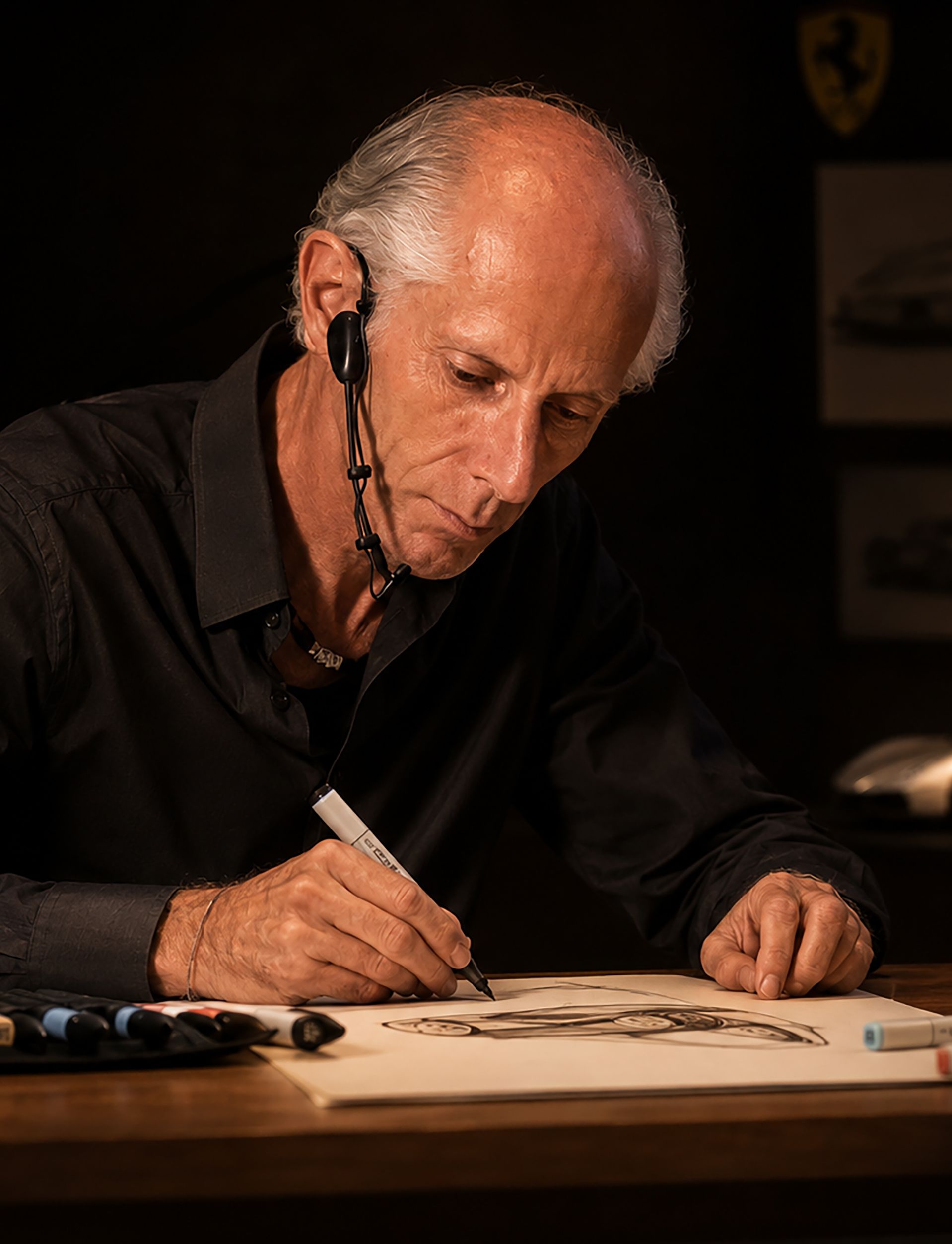
I always encourage students to draw, study proportions and train their ability to communicate ideas clearly. Sketching is not only a technique; it is a way of thinking and exploring possibilities.
They should also learn to question their own work, accept criticism and develop the judgment needed to distinguish what is truly meaningful from what is simply new.
Emotional impact comes from authenticity. A designer must create with a personal vision while understanding the needs and aspirations of society.
Technology will continue to evolve, but curiosity, sensitivity and critical thinking will remain the foundations of relevant and lasting design.
Question 14
Looking ahead ten years, what do you hope will remain central to the experience of the automobile—and what change do you believe the industry should embrace more courageously?
Looking ten years ahead, I hope the automobile will continue to be an object that creates emotion and connection. Even with autonomous technologies and new forms of mobility, the human relationship with a vehicle should remain central: the pleasure of design, the sense of belonging and the personal experience.
The industry should embrace change more courageously by exploring new ideas without losing identity. Sustainability, electrification and digital innovation are necessary, but they must be guided by creativity and human values.
The future should not only be about smarter cars, but more meaningful ones.
“The future should not only be about smarter cars, but more meaningful ones.”
Key Points
Q: What are Maurizio Corbi’s principles of enduring automotive design?
Maurizio Corbi identifies proportion, coherence, functionality and emotion as the central principles of enduring automotive design.
In his view, a vehicle becomes lasting when its stance, surfaces, graphics and functional solutions express one coherent idea, while aesthetics and engineering reinforce one another. Technology may accelerate the process, but human vision is still necessary to ensure that a car remains recognizable, meaningful and desirable beyond its product cycle.
Q: What is Maurizio Corbi’s view of AI in automotive design?
Corbi sees artificial intelligence as a powerful tool, not a substitute for the designer.
He believes AI can accelerate research, widen the range of possible solutions, analyse trends, support engineering decisions and help designers visualize alternatives early in development. Yet he maintains that originality comes from human vision, judgment and cultural understanding, not from the quantity of proposals generated by a machine.
Q: What can emerging premium automotive brands learn from Italian design?
Emerging premium brands can learn that luxury is not created through visual excess, imitation or superficial symbols of status.
According to Corbi, authentic premium design requires restraint, a clear identity, coherent proportions, craftsmanship, usability, emotional connection and a long-term commitment to quality. The Italian lesson is not to copy a particular style, but to treat identity, authenticity and creativity as strategic values.
Q: How does electrification change automotive design?
Electrification creates new freedom in vehicle packaging, proportions and interior architecture, but it can also make vehicles visually similar if design is driven only by technology, aerodynamics or efficiency.
Corbi argues that the designer’s role is therefore more important than ever: to transform new technical possibilities into emotional and recognizable forms that express the personality and values of the brand.
Q: What should young automotive designers focus on today?
Young automotive designers should develop curiosity, discipline, observation, cultural knowledge, critical thinking and personal vision.
Corbi encourages designers to draw, study proportion, understand art, history, architecture and human behaviour, question their own work and learn how to distinguish what is truly meaningful from what is simply new. Technology will evolve, but the responsibility for creating objects with meaning will remain human.